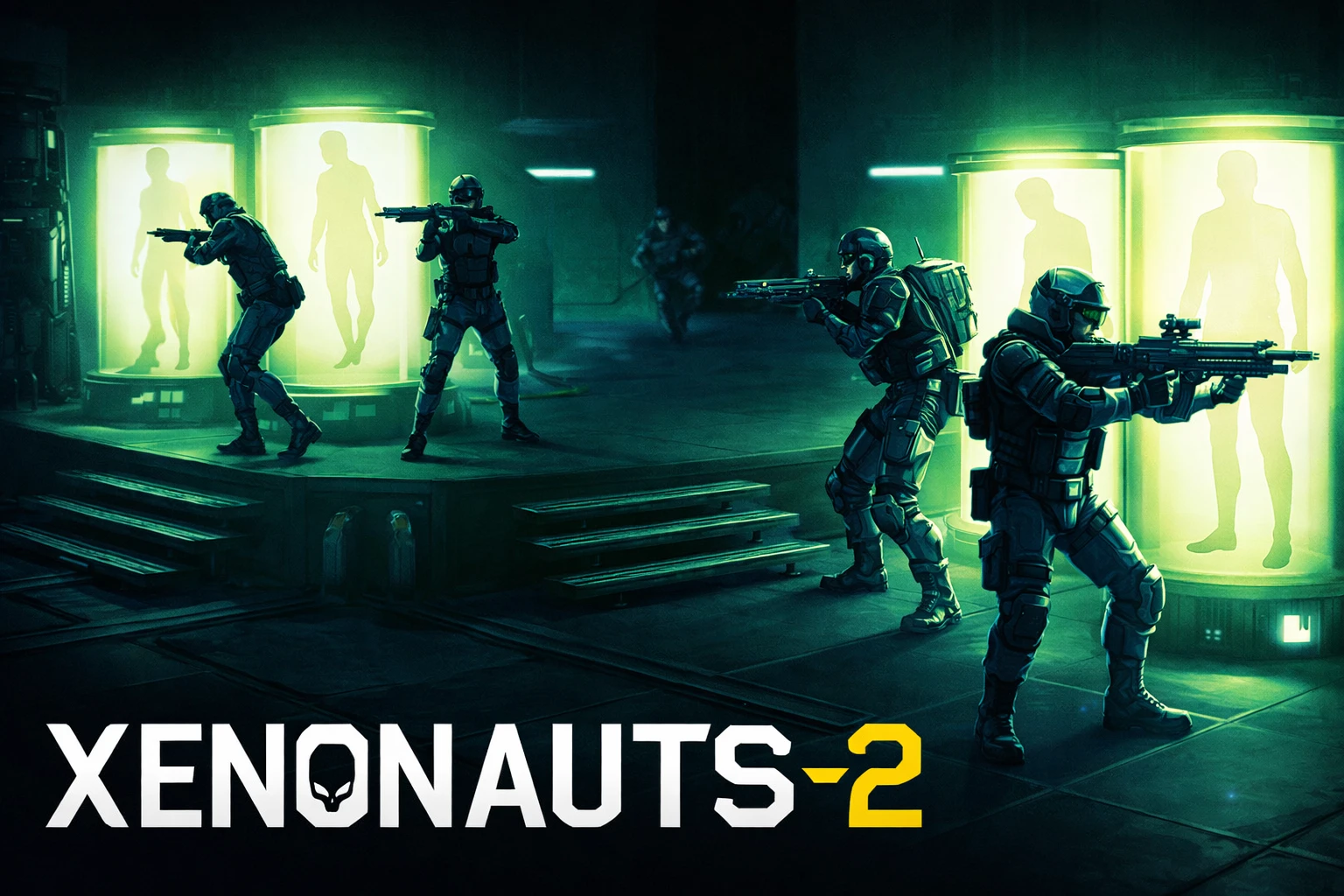

To be perfectly honest – while the modern XCOM titles from Firaxis were highly enjoyable, the original 1990s classics always remained a mystery to me. For years, veterans of the genre insisted that those early games possessed a certain charm that the newer versions had lost. While the first Xenonauts failed to leave a lasting impression – Xenonauts 2 has finally revealed the truth. The veterans were right all along; this experience is truly remarkable.
There is something nearly indescribable about the thrill of an alien invasion scenario when your small but agile interceptor finally shoots down a UFO for the first time. The feeling of the crew celebrating is profound. It feels like the arrival of reinforcements at dawn on the third day – we are facing a vastly superior foe, but this tiny victory provides a desperate sense of hope that we might actually survive.
Hope can only shine when the clouds darken.
However, do not be too quick to celebrate with champagne. Xenonauts 2 has a habit of putting you in your place – such as the time the game instantly killed my sniper from the other end of the map. Despite being in cover and wearing the most advanced armor my research teams had developed – she was gone in a single flash. It is a brutal environment where progress is fragile.
The quick-load button has never looked so tempting as it does in these moments. Yet, the core design understands that victories are never quite as sweet if they are not built upon the graves of fallen heroes. The game demands that you accept loss as part of the narrative – forcing you to find light even when the situation looks incredibly grim.
At its heart, Xenonauts 2 shares its DNA with any other X-COM or similar tactical strategy game. You lead a clandestine organization consisting of:
- Highly skilled scientists
- Dedicated engineers
- Brave soldiers
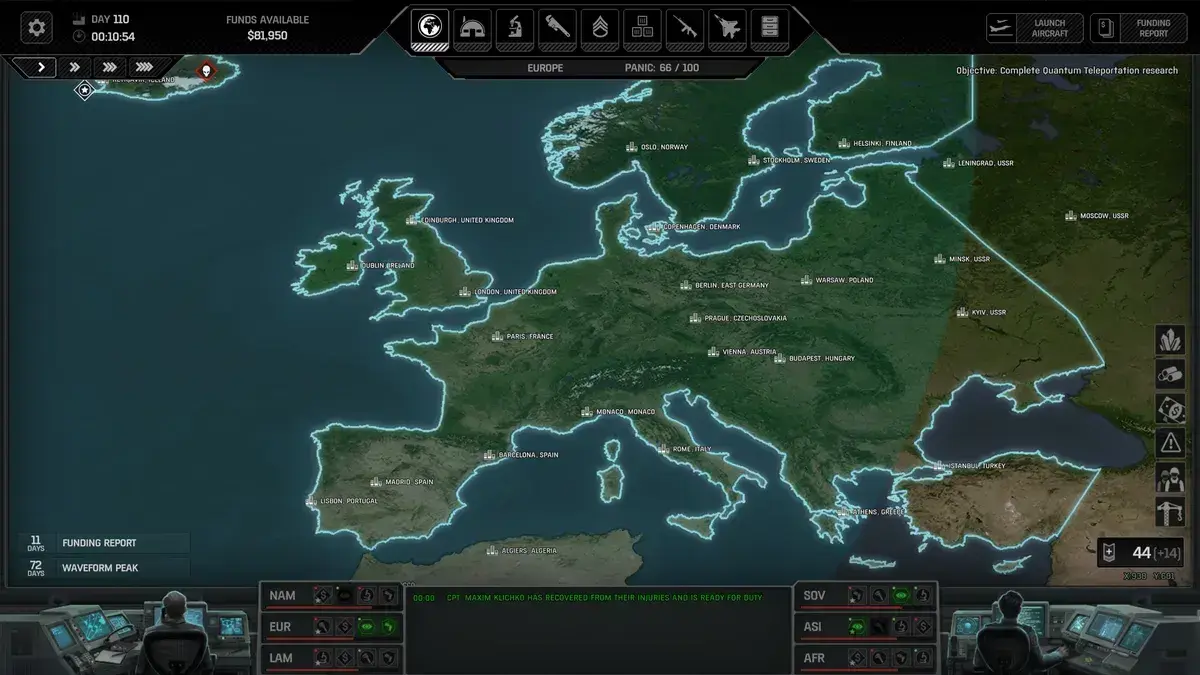
Your mission is to halt a technologically superior alien invasion by building secret bases, dissecting captured enemies, adapting their technology, and preventing total panic across Earth’s six primary regions.
Strategic exhaustion and the price of failure
Roughly 180 days into my first campaign, I failed the task completely and had to restart from the beginning. This is an exceptionally difficult game, both tactically and strategically. Initially, many of its internal systems were not intuitive – which forced me to take a step back and actually think. It required me to learn and adapt, and eventually, the process of overcoming that initial frustration became genuinely enjoyable.
The game is packed with opportunities to showcase player skill. Mastering the use of “time units” for movement, shooting, and even rotating a soldier’s field of vision is essential. Learning to counter each of the deadly alien variants – of which there are dozens – can provide a vital edge on the tactical level. But tactical brilliance alone is not enough to win the war.
Managing the strategic map by winning over supporters and eliminating saboteurs is a complex mini-game in itself. You must constantly set priorities such as:
- Reducing global panic levels
- Securing increased funding
- Controlling entire regions for unique passive experience bonuses
Because the costs and benefits of different supporters fluctuate over time, you cannot rely on a fixed construction order for your base.
Despite the steep learning curve, I eventually managed to stay one step ahead of the invaders by reacting intelligently to favorable opportunities. However, this interstellar threat does not retreat without a vicious struggle. The lessons that finally led me to victory were hard-earned and often came at a significant cost in both time and lives.
The only area where the difficulty curve felt truly overwhelming was understanding which technologies are mandatory for specific stages of the invasion. If you do not have tier 2 or tier 3 interceptors by the time the more dangerous UFOs appear – it is essentially game over. It can be devastating to lose a campaign that has already seen months of meticulous work.
There is nothing particularly pleasant about watching your entire air force sit idle on the tarmac while you desperately try to catch up in the research race. Seeing the “xenons” commit atrocities across the globe while you are technologically grounded is a stark reminder of the game’s uncompromising nature.
Tactical depth on the ground and in the air
The real-time aerial combat was a highlight for me – especially when a battle seemed winnable through manual control. During the early stages, utilizing thrust management and roll maneuvers at precisely the right moment allowed me to win lopsided engagements. In some cases – my pilots managed to return from these dogfights without a single scratch on their hulls.
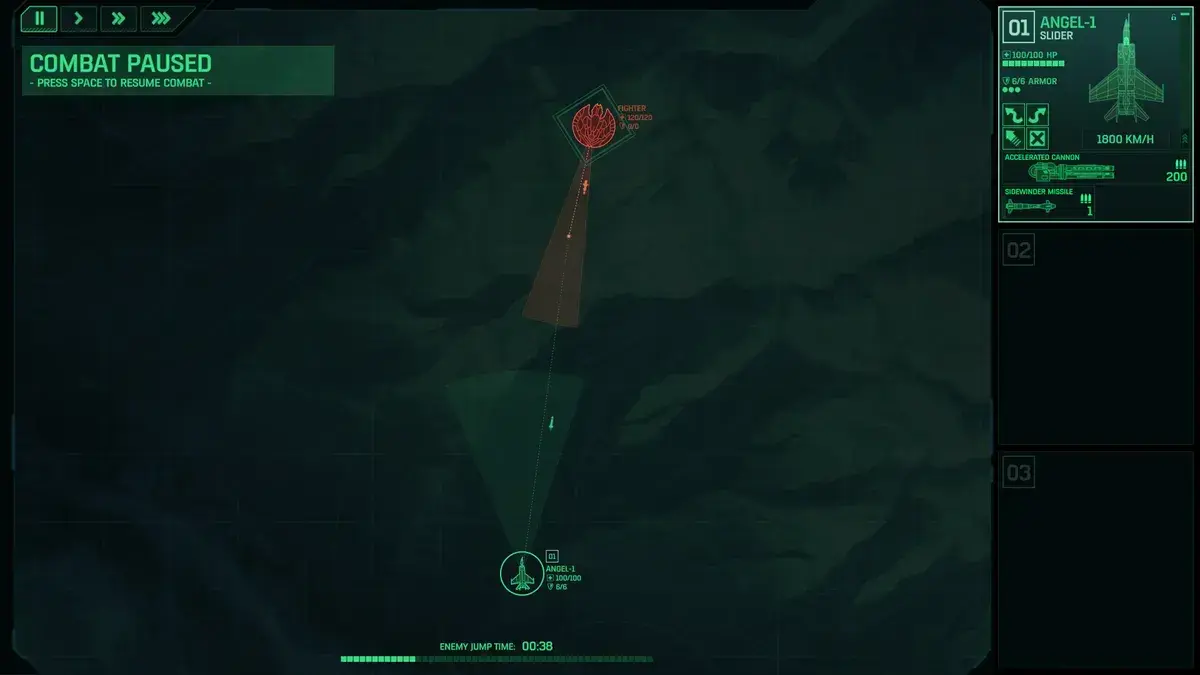
Different types of UFOs require distinct tactical approaches based on their specific weapon systems and defensive capabilities. This leads to truly exciting encounters when the game begins to combine different alien craft – challenging you to adapt your interception strategy on the fly to deal with multiple threats at once.
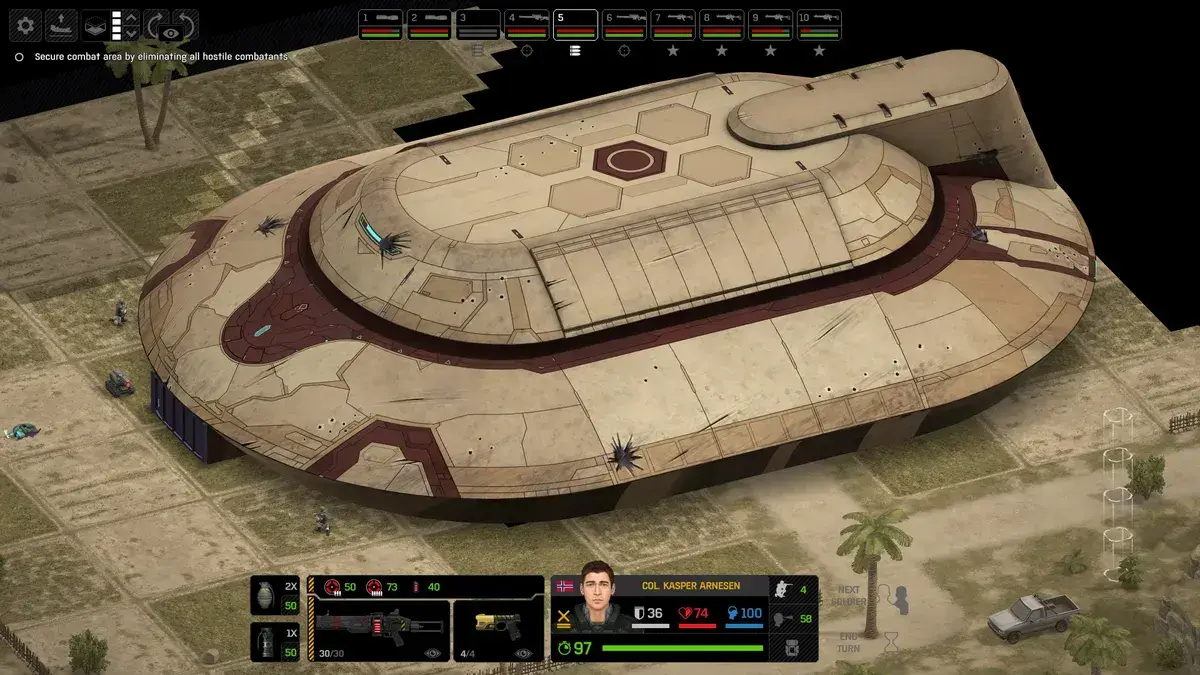
However, the main attraction remains the tactical ground battles. I started with eight soldiers and eventually expanded the squad to twelve – deploying them to diverse locations including:
- Busy North African markets
- Frozen polar warehouses
- Various urban and rural settings
The depth of combat is staggering, forcing a level of careful planning where every small step must be calculated.
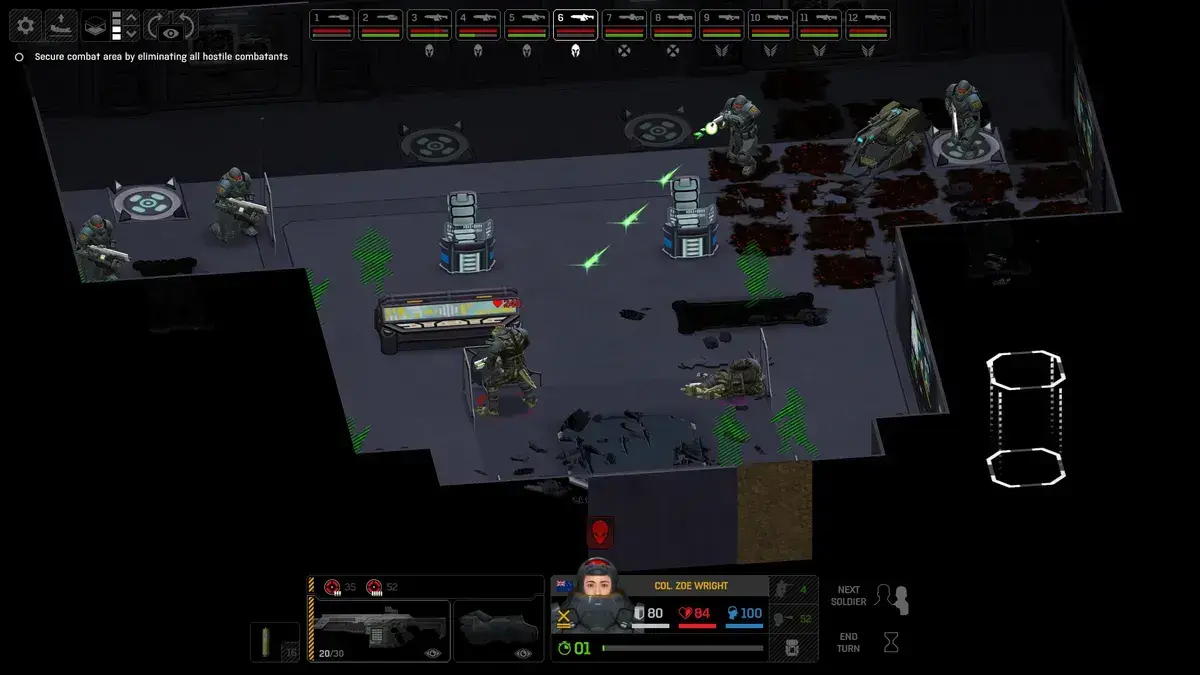
Clearing rooms feels realistic and incredibly tense – as kicking down a door and scanning for threats requires a significant investment of time units. While the safest way to play is to move from cover to cover in a tight formation – timed mission objectives often forced me out of this comfort zone. Taking those big risks resulted in fist-clenching moments of relief when they actually paid off.
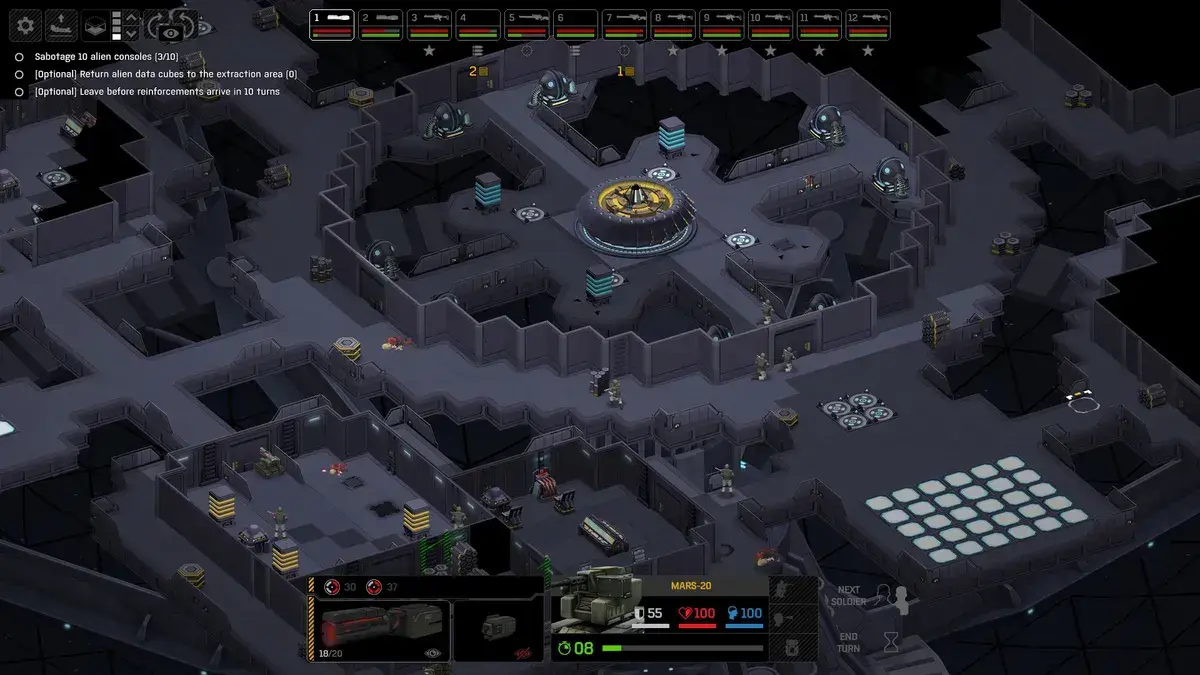
While the story is not particularly groundbreaking, it serves its purpose well. There are a few unexpected twists regarding the aliens – though nothing too shocking for a seasoned science fiction reader. It succeeds in maintaining a high level of tension, pacing the campaign effectively by balancing moments of triumph with eerie periods of uncertainty about the aliens’ next move.
The true potential of Xenonauts 2 is revealed in the moments between the scripted events. I still remember a corporal I sent into a UFO bridge – essentially as a sacrifice to scout the room. He somehow dodged six plasma bolts and survived to become a colonel by the end of the war. The random number generator that can kill a veteran with one shot can also turn a rookie into a legend.
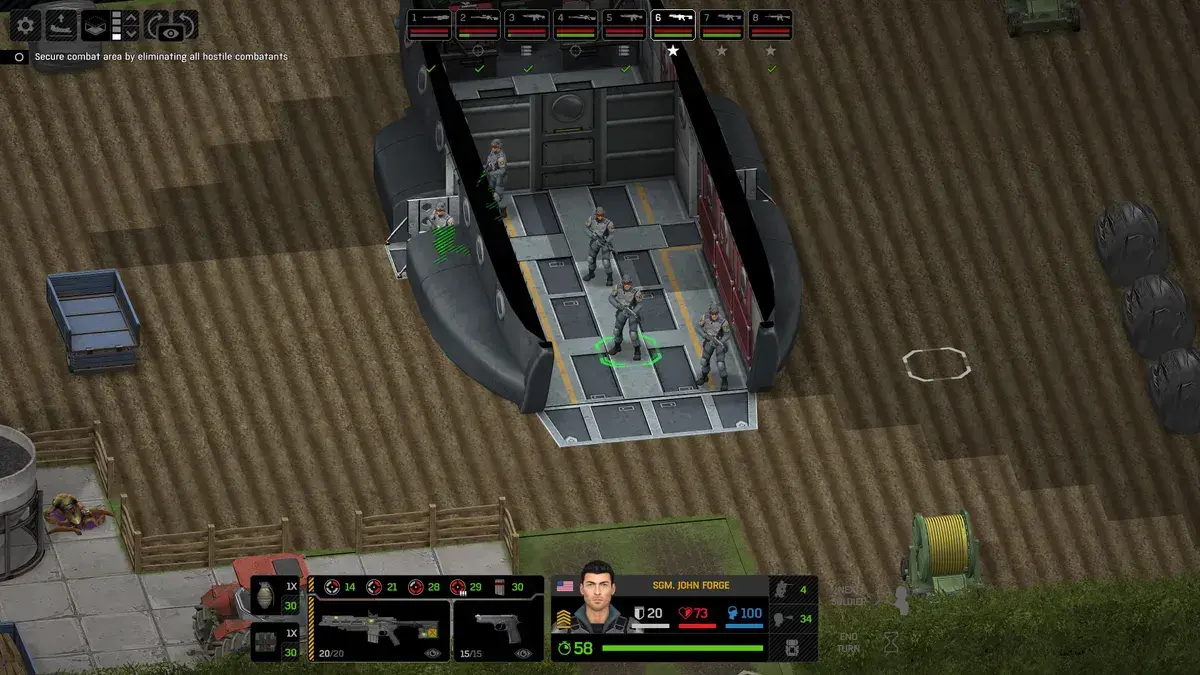
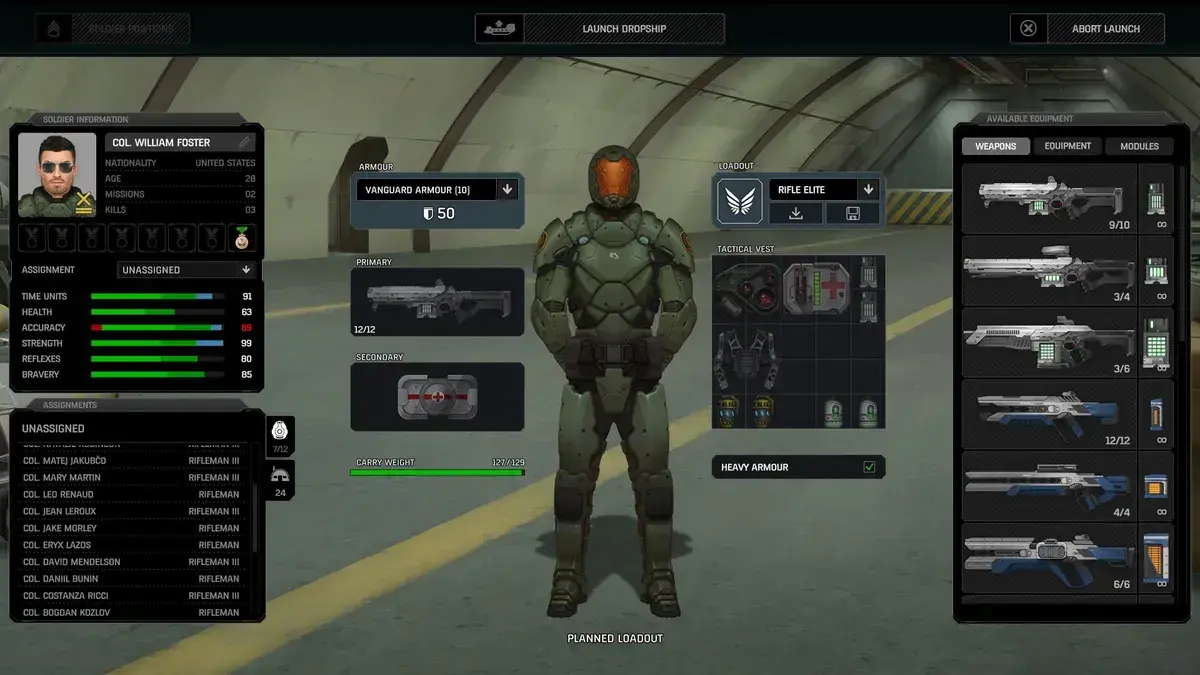
Squad customization is another engaging layer of the game. I watched my team evolve from using basic ballistic rifles to advanced weaponry including:
- Laser rifles
- Gauss weaponry
- Heavy plasma rifles
Seeing my soldiers visually transform from wearing simple kevlar vests to looking like space marines in power armor with automatic injectors was deeply satisfying – even if a bad dice roll could still end them.
This progression is paired with quality-of-life features like gear presets and unlimited quantities of basic items like grenades once they have been researched. This keeps resource management from becoming overly tedious. However – as the game reaches its conclusion – managing the equipment for a large roster of characters can become somewhat heavy and cumbersome.
A squad of ten soldiers in the mid-game felt like the “sweet spot” for management. Once I upgraded the dropship to carry twelve – the missions began to feel slightly overcrowded. Base defense missions were the only ones I truly dreaded; they often turned into a micro-management nightmare due to the sheer number of allies and enemies on screen.
Advanced combat mechanics and alien biology
Most of the enemies will feel familiar to those who have played any version of X-COM – but many of their special abilities can be countered in clever ways. Part of the joy of the game is discovering these tactical loopholes through trial and error as you encounter new species during your missions.
I encountered floating, tank-like creatures that were completely invulnerable to frontal damage and capable of wiping out an entire squad in a single turn. Initially – they were my worst nightmare. However, I discovered they always turn to face the last sound they heard. Distracting them with a grenade behind their position and then opening fire on their weak rear with a machine gun was a moment of pure triumph.
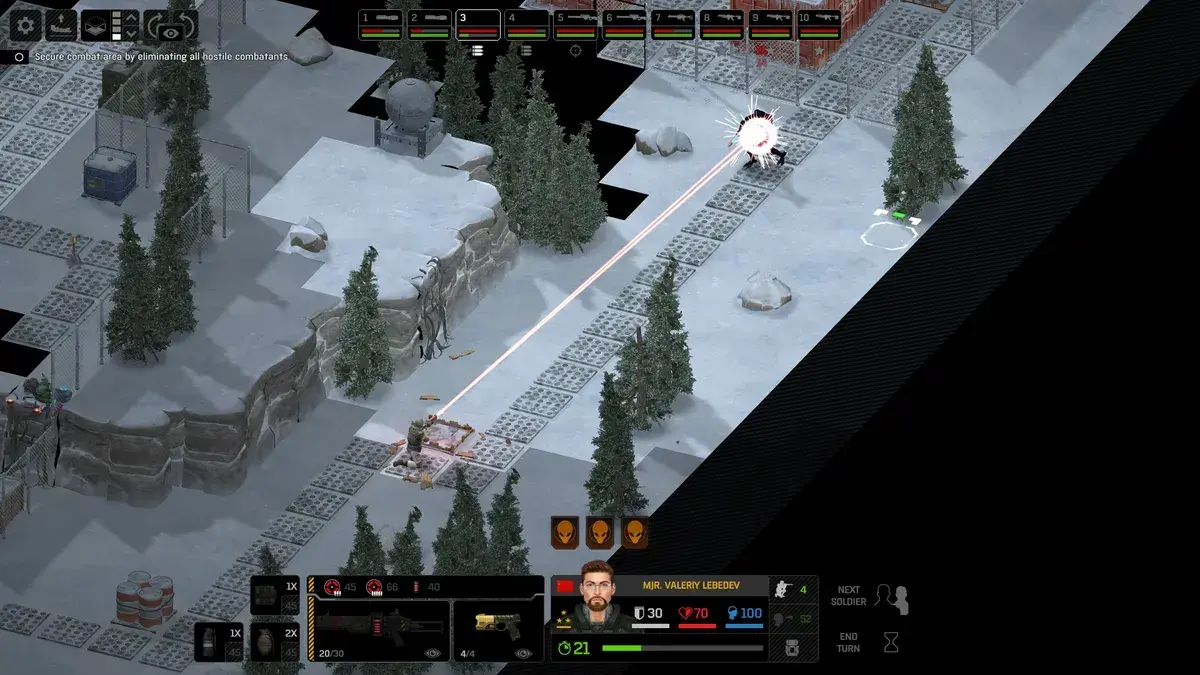
The game does not have a dedicated “overwatch” button; instead – units will automatically fire during the enemy turn if they end their own turn with enough time units. Unfortunately – the soldiers are not always intelligent about this. They will often fire directly through a teammate in an attempt to hit an emerging alien – making positioning even more critical.
While this friendly fire can be frustrating at first – it actually increases the skill ceiling over the long term. Preparing to breach a door becomes a calculated process – almost like composing a song. Finding the right positions, tracking potential reaction shots, and planning for worst-case scenarios provides immense satisfaction when a plan finally succeeds.
It is possible that my love for Xenonauts 2 comes from the fact that I never played the 1990s original – but if that is the case – it only proves how relevant this uncompromising tactical puzzle remains today. The way the game manages tension throughout its missions and campaign chapters is masterful. When the stakes are this high – every victory feels earned and tastes much sweeter.