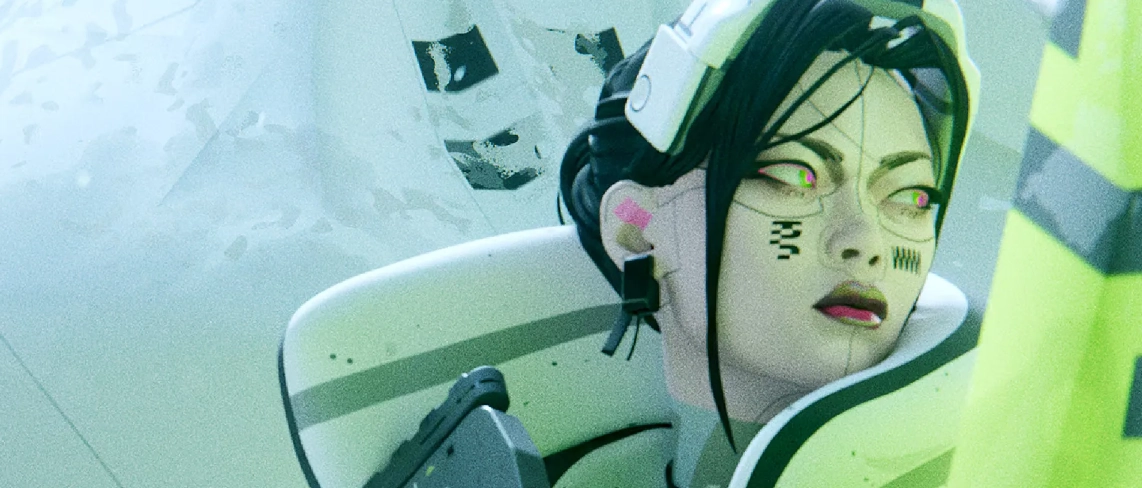

Watching moths flutter over synthetic skin in the loading screen of Marathon is a haunting introduction to its grim sci-fi reality. These insects are part of a process that weaves artificial bodies – known as Shells – to house the consciousness of mercenary protagonists. In this universe, moths represent the creation of life, while their woven offspring signify almost certain destruction. These Shells are essentially disposable fodder, designed specifically to scavenge for loot in a derelict colony that has become a graveyard among the stars. At its core, this is an extraction shooter where the pursuit of glory is paved with violence.
The influence of genre heavyweights like Escape from Tarkov and Arc Raiders is evident here, as players must navigate high-stakes raids against both humans and AI to secure valuable gear. However, Marathon is more than just a collection of its parts; it is a massive, atmospheric experience that blends existential cyberpunk aesthetics with deep, mysterious storytelling. Whether you are pulled in by the tension of a shootout or the complexity of its narrative, the game offers plenty of reasons to get lost in its world. After 75 hours of play, it has become difficult to think about anything else.
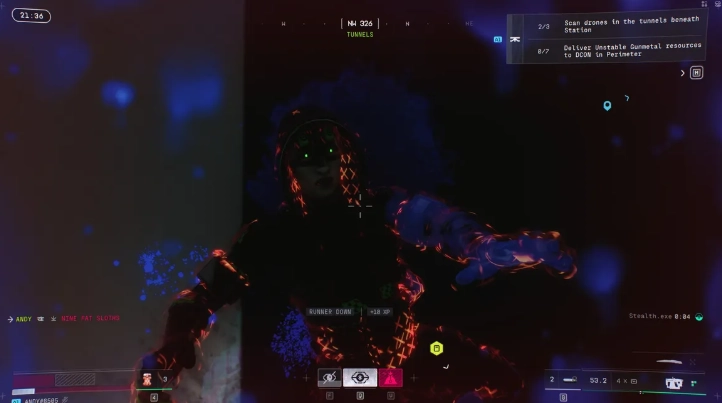
The desolate beauty of Tau Ceti IV
- Release date – March 5, 2026
- Platform(s) – PC, PS5, Xbox Series X
- Developer – In-house
- Publisher – Bungie
While Marathon shares DNA with other titles in the genre, its identity feels remarkably distinct and fully formed. The action is centered on Tau Ceti IV, a distant planet that was once humanity’s great hope for survival. Today, the human residents are gone, and their glossy, frontier colony is reclaimed by an alien wilderness. The area is now strictly patrolled by the United Earth Space Council (UESC) and its legion of robotic sentinels, making every excursion a dangerous trespass into forbidden territory.
In a separate corner of the industry, the World of Warcraft: Midnight expansion is being praised for its ability to improve upon the established foundations of the MMORPG genre. It represents a different kind of evolution in gaming, focusing on expanding existing worlds rather than building new, lethal frontiers from scratch.
Competitive raiders in that space are currently eyeing March 17 as a key date for new challenges, though Midnight is already being hailed as a great adventure for the general audience. This serves as a contrast to the immediate, punishing nature of the raids found on Tau Ceti IV, where survival is never guaranteed.
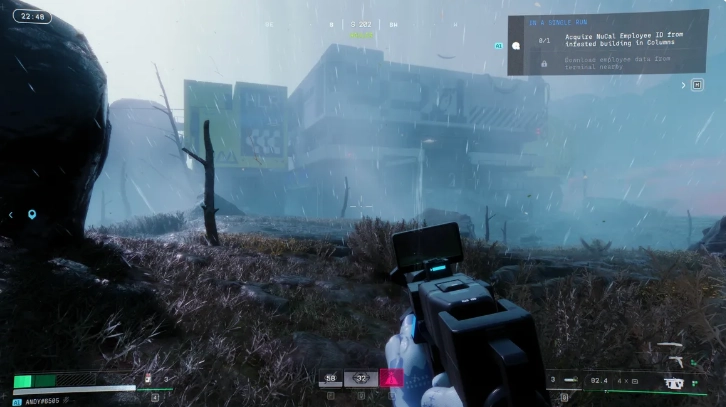
Players step into the role of Runners, entering Shells to pillage the planet for various corporations, revolutionaries, and religious cults. These factions resemble a cyberpunk version of the Great Houses from Dune, mixed with a maximalist digital style. CyAc, the corporation providing the AI interfaces for Shells, operates under the chilling slogan: “Everything runs on CyberAcme. Or nothing runs at all.” Meanwhile, the Arachne cult seeks to spread chaos through violence, and the Shell-manufacturer SekGen is represented by a surreal, talking silk worm.
These dystopian organizations offer a terrifyingly realistic look at unbridled capitalism, yet they are a Runner’s only lifeline. By building reputation with these powers, players unlock vital upgrades, better equipment, and story-driven contracts that unravel the mystery of the colony and the UESC’s true intentions. Marathon’s progression system is exceptionally clever, ensuring that players are just as invested in the lore as they are in the high-quality loot they find.
However, the game is built on the principle of permanent loss. Marathon features four distinct maps that are relatively compact, which frequently forces players into ruthless confrontations. If you die, everything you brought into the raid is gone forever. Danger comes from all sides, including UESC soldiers who guard points of interest. These enemies range from basic grunts to massive mech-commanders, and they can overwhelm a player in seconds. The biggest risk, however, is noise; a single gunshot can alert every opportunistic player in the vicinity to your exact location.
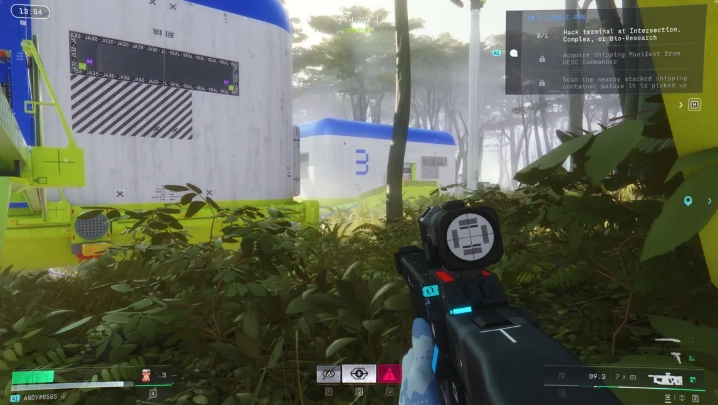
Each map requires a different tactical approach. Perimeter is a starting zone split by an alien-infested barrier with limited crossing points, leading to intense chokepoint battles. In contrast, Dire Marsh is flatter and more expansive, favoring those who prefer long-range engagements. Outpost is the smallest map, filled with high-value items at its center but complicated by searing flames that occasionally rain from the sky, forcing everyone into tight indoor quarters.
Staying connected with these evolving worlds often involves keeping up with weekly digests and community tales. This type of engagement helps players stay informed about meta changes and upcoming events that could shift the balance of power within the game.
The pinnacle of danger in Marathon is the Cryo Archive – a Destiny-style raid that incorporates PvP combat. This map features the best loot available but is only accessible during weekends and requires an entry loadout worth at least 5,000 credits. This restricted access creates a fascinating dynamic: while some squads escape with a fortune, many others lose their entire vault to the “meat grinder.” It gives players a high-tier goal to save their best gear for, rather than just hoarding items indefinitely.
This approach successfully paces the game’s meta between seasonal wipes. While the loop is addictive, the lack of solo support for Cryo Archive is a noticeable drawback. It is the only map that cannot be played alone, which can make the solo experience on other maps feel like a secondary consideration, even though playing as a lone wolf is otherwise quite rewarding.
Precision and sensory combat
Combat in Marathon is fast and unforgiving. While fighting UESC bots can feel like a wave shooter, PvP encounters are often over in a heartbeat due to an incredibly low time-to-kill. You can increase your survival chances with better shields or thermal sniper sights, but victory usually belongs to whichever Runner manages to ambush their target first. It is a system that rewards preparation over raw reflexes.
Initial skepticism about such fast combat fades once you realize the importance of situational awareness. Sound is a primary tool for survival on Tau Ceti IV. The heavy, mechanical thud of UESC units sounds nothing like human footsteps, and environmental cues like clanking vents or the screams of alerted AI provide essential intelligence. Success often depends on setting the perfect trap rather than being the fastest trigger finger.
The variety of Shells adds another layer of depth, as each of the seven available models has unique abilities. The Thief is equipped with a grappling hook and a drone for stealing items, making it a top choice for solo players focused on objective-based contracts. The Assassin uses smoke grenades and invisibility for repositioning, while the Triage can revive teammates from a distance. The Vandal offers movement buffs that are devastating in the hands of high-skill players.
The weapons themselves are equally creative. Bungie has designed them so that each has a specific, powerful niche. The V22 Volt Thrower is a standout – a submachine gun with a lock-on feature that can track targets through an Assassin’s smoke. While its damage is lower than some alternatives, other weapons like LMGs and precision rifles offer massive burst damage at the cost of fire rate. Every gun feels impactful, which is an impressive feat given the game’s shielding mechanics.
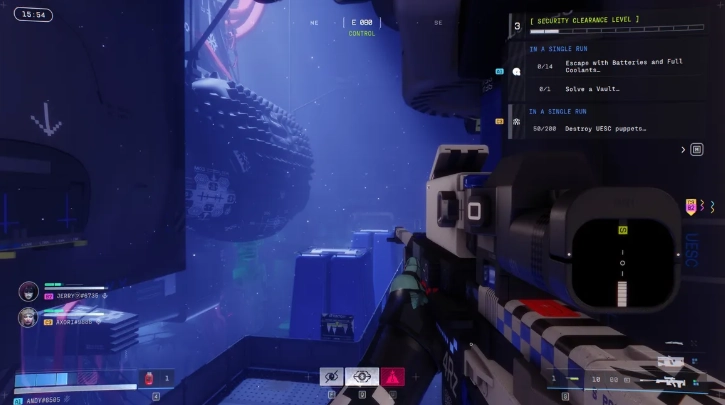
Customization is streamlined compared to titles like Escape from Tarkov. You can find or buy mods to change a weapon’s profile, but the system isn’t overly granular. This allows players to re-gear and jump back into the action within minutes, which is vital given the frequency of death. Smart quality-of-life features, such as generous vault space and automated item storage, help remove the tedious “paperwork” often associated with the extraction genre.
One area that needs improvement is the user interface. Navigating between loadouts, Shell selection, and faction contracts is currently a finicky process that requires too many menu layers. It can be difficult to compare weapon mods or read stat-affecting implants during the fast-paced raids. Bungie has packed a lot of depth into the game, but the way that information is presented to the player feels somewhat inelegant at this stage.
Marathon captures the highest highs of extraction shooters, trims the finickiness that has kept casual players from engaging with the genre, and ties everything together with striking sci-fi flair.
Ultimately, Marathon is a game that demands total focus. The contrast between the intricate map design and the simplicity of its lethal combat creates a powerful dopamine loop. Losing your loot to another player is a crushing experience, but successfully extracting with a full backpack is an unparalleled ego boost. It is a game that embraces the inherent risks of the genre without apology.
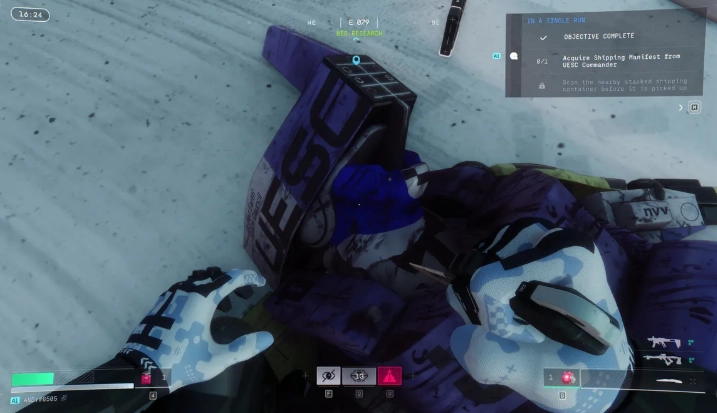
By leaning into the difficulty rather than diluting it, Bungie has created something that feels authentic to the hardcore extraction community. The game successfully removes the friction that often stops new players from joining while maintaining the intensity that veterans crave. The sci-fi presentation and the rollout of events like the Cryo Archive suggest a bright future for the title’s long-term meta.
As the story of Tau Ceti IV continues to unfold, players are left to obsess over efficient contract routes and the hunt for hidden lore fragments. Marathon is an excellent fusion of a high-end shooter and an RPG, set in a world that is genuinely absorbing. It is a game where death is always a possibility, but the thrill of survival makes every risk worth taking.