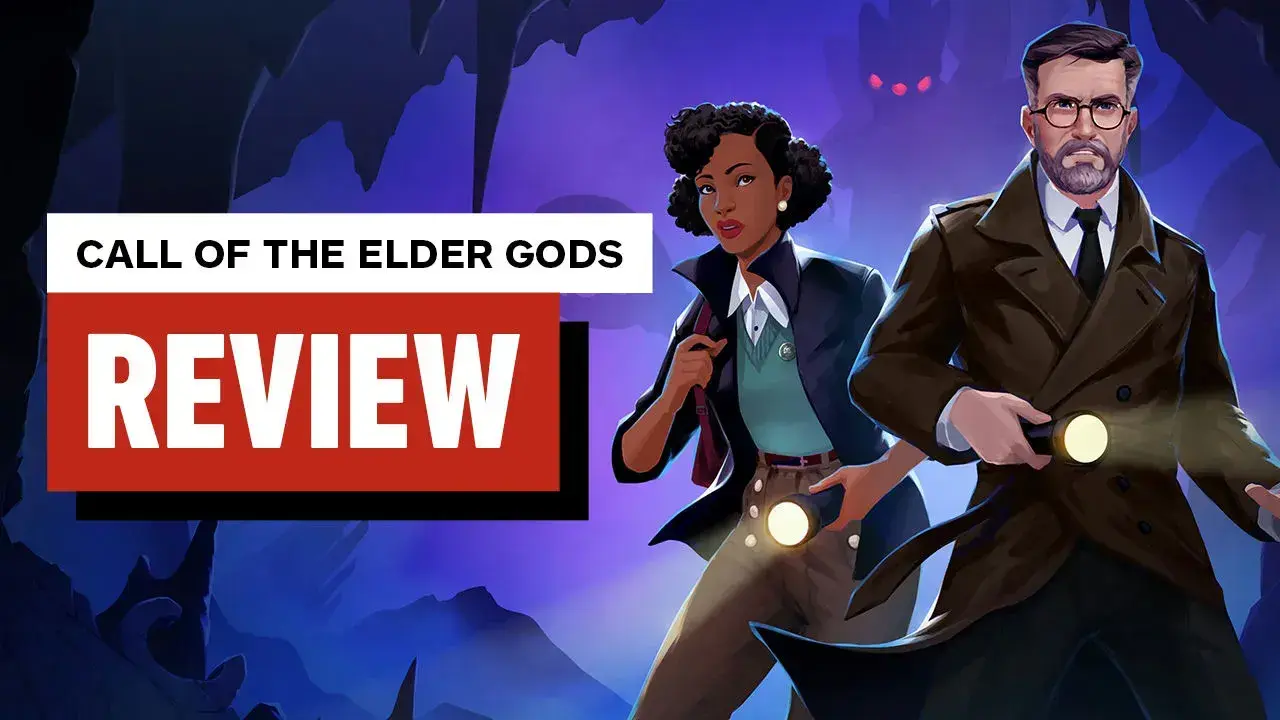

Out of the Blue Games has returned to the surreal world they established in 2020, delivering a sequel that expertly balances narrative adventure with intricate puzzle-solving. Call of the Elder Gods follows the emotionally charged footsteps of its predecessor, Call of the Sea, yet it carves out its own identity. Instead of leaning into the traditional grime of cosmic horror, the title focuses on the surreal mystery and the profound emotional impact of confronting the inexplicable. While the first entry explored a lush island alongside Nora, this sequel presents a more expansive journey featuring two new protagonists whose paths are inextricably linked to the past.
The narrative unfolds two decades after the events of the original game. Players take control of Evangeline Drayton – the daughter of Frank Drayton from the first game’s ill-fated expedition – and the returning Professor Harry Everhart. Evangeline is haunted by memory loss and recurring dreams of a primordial city, leading her to seek answers from Harry regarding what was truly discovered years ago. Meanwhile, Nora, voiced once again by Cissy Jones, provides a self-aware narration that adds a layer of philosophical intrigue to the unfolding events.
While the first game felt like a self-contained “puzzle box” set within a tropical jungle, Call of the Elder Gods shifts the tone toward a globetrotting adventure reminiscent of Indiana Jones. The scale of the journey is emphasized by visual cues like red lines tracing across maps, signifying a story that moves beyond a single location. This change in scope allows for remarkably strange and deep moments as the protagonists traverse through segments that appear to transcend both time and space.

During the five-hour campaign, the game adopts the atmospheric tone of Lovecraft’s “The Colour Out of Space.” It expands even further by drawing inspiration from “The Shadow Out of Time,” incorporating themes of out-of-body experiences and temporal displacement. To ground these high-concept ideas, the developers have meticulously crafted diverse environments for players to investigate, including:
- The sprawling Everhart manor
- Ancient cave systems in rural Virginia
- Remote and desolate Australian deserts
The plot gains significant momentum as Harry and Evangeline move through increasingly bizarre settings, such as a derelict Nazi facility once used for otherworldly experimentation and a hidden city from the distant past. This variety supports the grand adventure aesthetic the developers aimed for. However, the rapid pacing can be jarring; just as the atmosphere of a specific location begins to take hold, the player is often whisked away to the next area. This occasionally leads to less inspired, enclosed spaces and animated cutscenes that can feel like unnatural transitions between the game’s chapters.
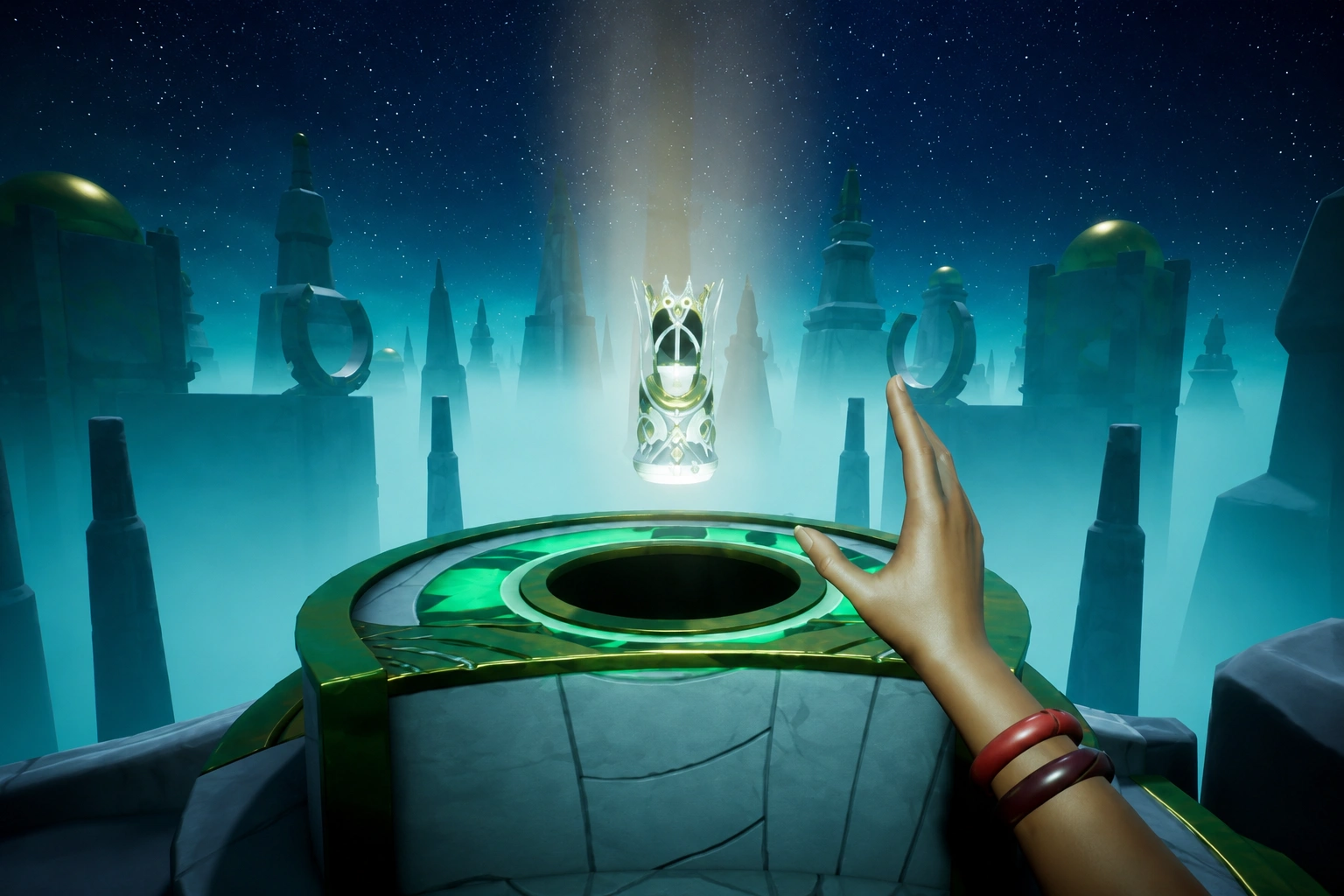
Investigation remains the core gameplay pillar, much like in the original title. Players rely on Nora’s journal to organize information, echoing the puzzle-solving philosophy found in classics like Myst and Riven. Progress depends on gathering clues left by other characters and scrutinizing environmental details to overcome obstacles. There is a specific joy in the design when disparate pieces of information suddenly click together, leading to a “eureka” moment that perfectly complements the game’s mysterious aura.
Puzzle mechanics and search for clues
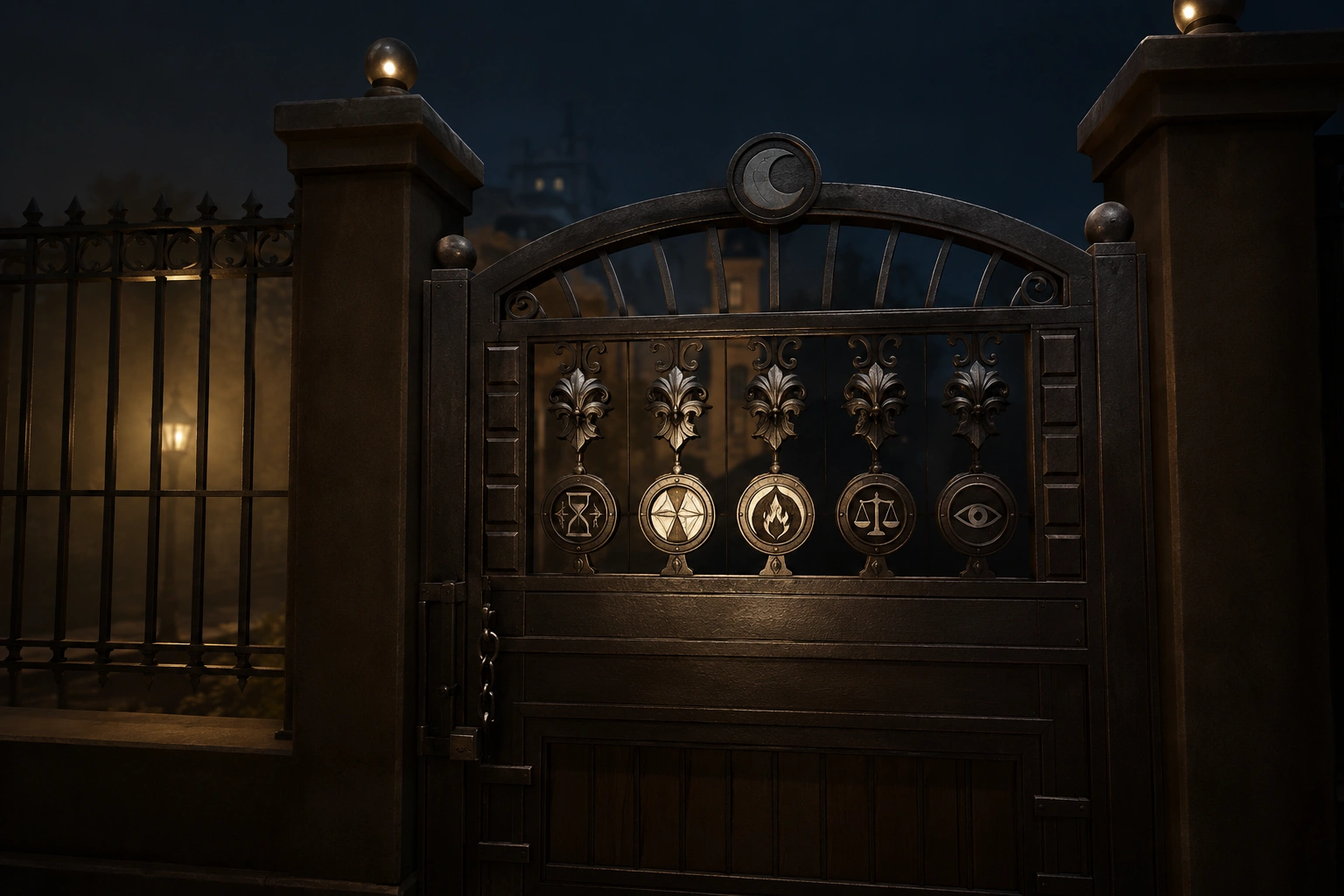
One of the most effective sequences occurs early on during a storm at the Everhart estate. Players must carefully align statues under heavy rain and thunder to unlock a gated area. This scene serves as a perfect introduction to the Lovecraftian influence, where the supernatural begins to bleed into reality, creating a subtle but persistent sense of dread. The game utilizes its vibrant and impressive visual presentation to bolster the puzzle-heavy narrative, showing the growing complexity of the journey through distinct thematic chapters.
However, the fragmented structure of the world leads to an inconsistent difficulty curve compared to the more linear progression of the first game. While the tempo is generally steady, some challenges present sudden spikes in difficulty due to an overabundance of information or too many moving parts to track simultaneously. These moments often force the player back to their journal, making the experience feel more like following a technical manual than solving an organic mystery. In some instances, players may find themselves backtracking extensively to find a single overlooked clue.
To address these hurdles, a comprehensive hint system is available within the main menu. It offers step-by-step explanations for individual puzzles, ensuring that players do not remain stuck for too long. While this is a welcome accessibility feature, the experience might have benefited from more natural in-game guidance or clearer visual cues regarding the underlying logic of the more complex mechanical contraptions.
Fortunately, these mechanical frustrations do not overshadow the core appeal of Call of the Elder Gods – the thrill of unraveling a grand mystery across time. Unlike the isolation of the first game, this sequel emphasizes connection. The bond between the two leads and their relationship with otherworldly forces is revealed gradually. There are even gameplay segments that require players to switch between Harry and Evangeline to solve cooperative environmental puzzles.
Character dynamics and narrative style
The interactions between the protagonists are a highlight, particularly during story beats where players choose how they respond to personal trauma or intense questioning. The presence of a sinister cult, which remains one step ahead in its pursuit of ancient power, adds a layer of tension. This antagonistic force keeps the stakes high and ensures that the consequences of the characters’ journey feel significant on a global scale.
Viewed as a whole, this is an improved iteration of the original concept thanks to the dual-perspective narrative. The emotional arcs of Harry and Evangeline as they grapple with their pasts are brought to life by strong writing and the vocal talents of Yuri Lowenthal and Mara Junot. While the finale may feel somewhat unsatisfying due to several unresolved questions, Evangeline’s journey adds necessary weight to the lore, giving the tragedy of the original expedition a more profound and touching conclusion.
General impression of the sequel
“The game manages to capture the surreal wonder of the unknown rather than just the darkness of cosmic horror.”
Call of the Elder Gods successfully maintains the otherworldly atmosphere and sense of wonder that made its predecessor a hidden gem of the decade. Although its grand ambitions occasionally hinder the sense of immersion, it remains a poignant continuation of the story started in Call of the Sea. By blending Myst-style puzzles with a human search for closure, Out of the Blue Games has delivered a sequel where the characters and the brain-teasing design are allowed to shine in equal measure.