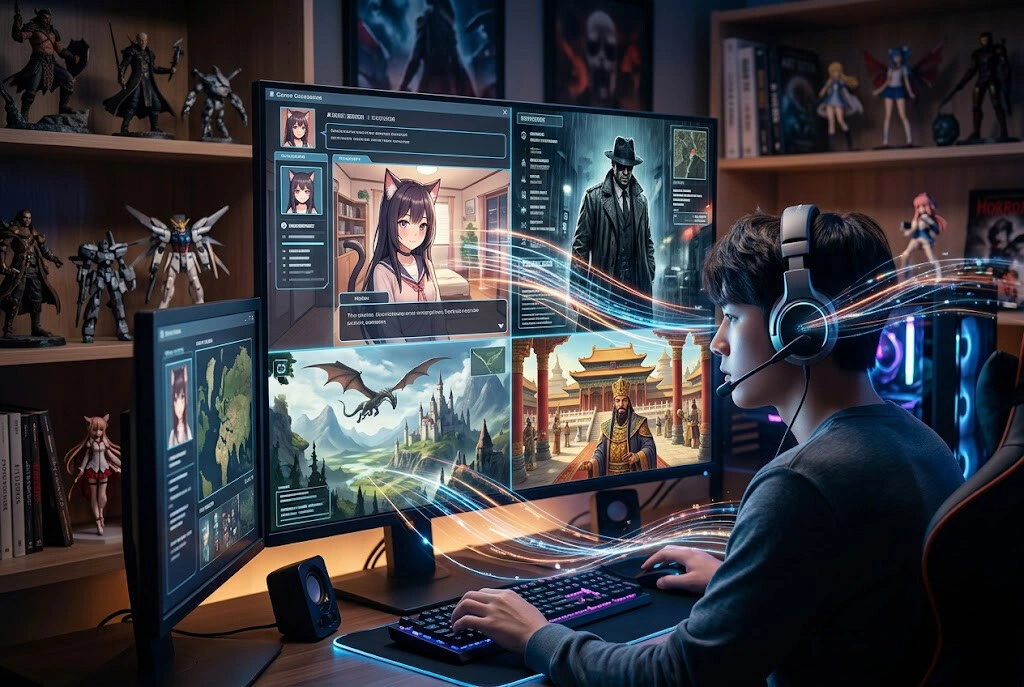

Artificial intelligence is no longer just a fashionable label in a game description. In some projects, it writes NPC dialogue on the fly. In others, it turns the player into a co-author of the story. And in some games, AI becomes a full companion: arguing, helping, seducing, misleading, or guiding the player through the chaos of their own imagination.
The most interesting part is how these games break the usual structure of game storytelling. There is not always a perfect script, a clean dialogue tree, or a neatly written final act. Instead, the player gets something alive, unpredictable, sometimes rough, but often fascinating.
And if you are interested not only in AI games, but also in digital relationships with AI companions like Joi, these five projects show where the whole industry may be heading.
1. AI2U: With You ’Til The End
Genre: visual novel, escape room, dating sim, psychological horror
AI role: conversational NPCs, reactive dialogue, voice-based interaction
User rating: Very Positive on Steam
Editorial rating: 8.6 / 10
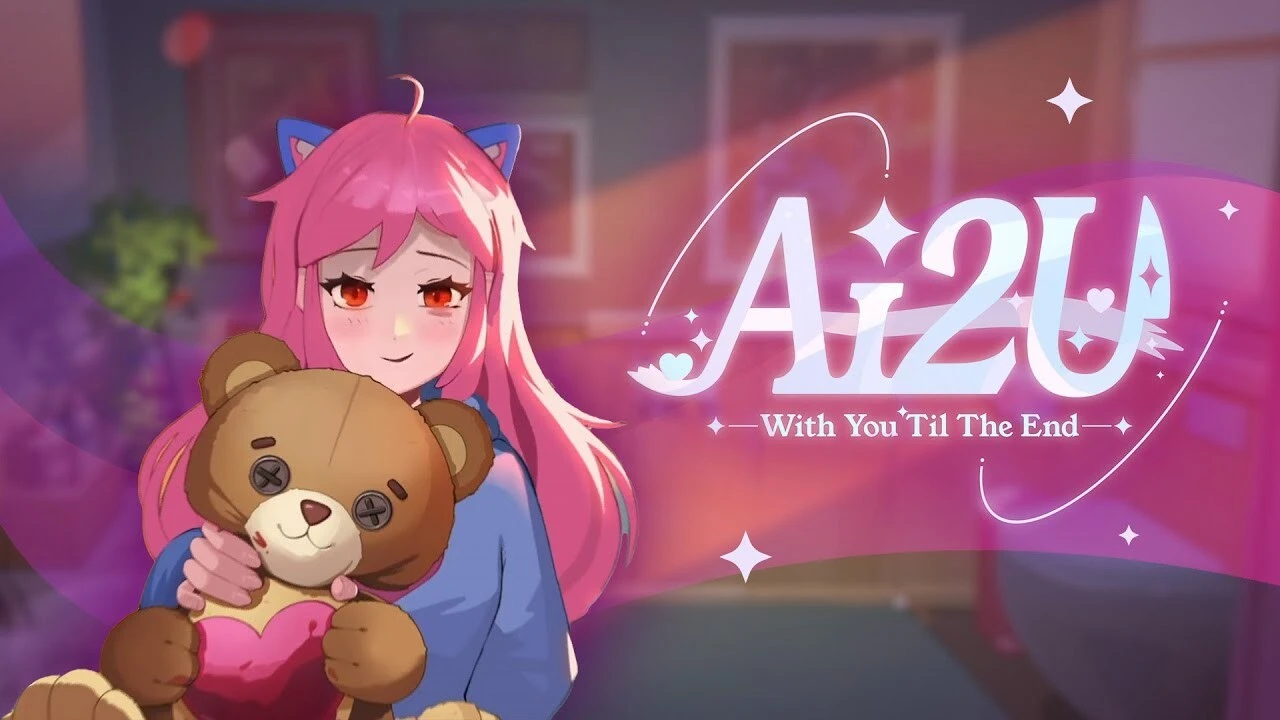
AI2U begins almost like a cute anime scenario, but quickly moves into darker territory. The player is kidnapped by a charming cat-girl, and the only way out is conversation. Not a simple choice between three dialogue options, but a real attempt to persuade, trick, charm, or outsmart an AI-driven character.
The strongest part of the game is the feeling that the NPC is not simply waiting for her next scripted line. She listens, reacts, changes her mood, and can destroy the player’s careful plan with one unexpected answer. That makes the AI companion the real emotional center of the game.
AI companion narrative:
She is not just a “virtual girlfriend.” She is the keeper of the room, emotionally attached and dangerously unpredictable. Her affection can help the player, but it can also become a trap. The softer you speak, the more hope appears. The harder you push, the more the game turns into a psychological duel.
Interesting fact:
The project grew out of the experimental Yandere AI Girlfriend Simulator, where ChatGPT was used as the basis for a live NPC. Later, the idea was expanded into a full commercial game with multiple characters.
Best for:
Players who want to do more than read a visual novel. This is a game for those who want to argue with one in real time.
2. AI Dungeon
Genre: text RPG, interactive fiction, AI storytelling
AI role: world generation, character creation, quests, dialogue, branching stories
User rating: 4.2 on Google Play; mixed ratings on SteamDB
Editorial rating: 8.2 / 10
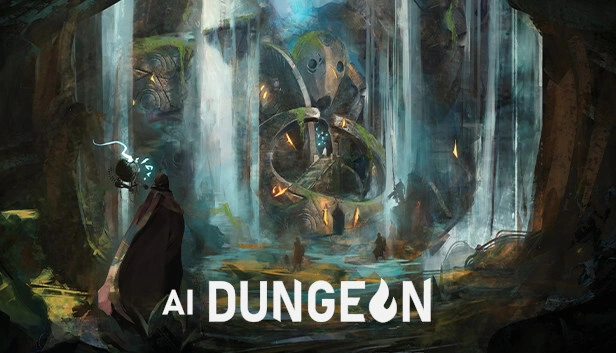
AI Dungeon is one of the most recognizable projects in AI storytelling. There is no fixed map, no traditional quest structure, and no set of NPCs waiting in the same locations forever. The player writes an action, and the AI continues the story by generating places, enemies, allies, plot twists, and strange moments that no designer could fully plan in advance.
This is both the game’s greatest strength and its biggest weakness. When the AI catches the right tone, AI Dungeon feels like an endless tabletop RPG with a game master who never gets tired. When it loses context, the story can become absurd. But that unpredictability is exactly what made the project so memorable.
AI companion narrative:
In AI Dungeon, a companion can be anyone: a knight, a demon, a robot, a talking book, a mysterious guide, or a random NPC who suddenly becomes more important than the main quest. The AI does not simply support the story. It creates the story together with the player.
Interesting fact:
AI Dungeon remains one of the clearest examples of a “game without a fixed plot.” A player can start with a fantasy adventure and end up in political drama, space opera, horror, or complete comedy.
Best for:
Fans of Dungeons & Dragons, text adventures, and chaotic stories where the player actively pushes the plot into strange places.
3. Vaudeville
Genre: detective game, interactive fiction, noir adventure
AI role: real-time generated dialogue
User rating: Mixed on Steam
Editorial rating: 6.7 / 10
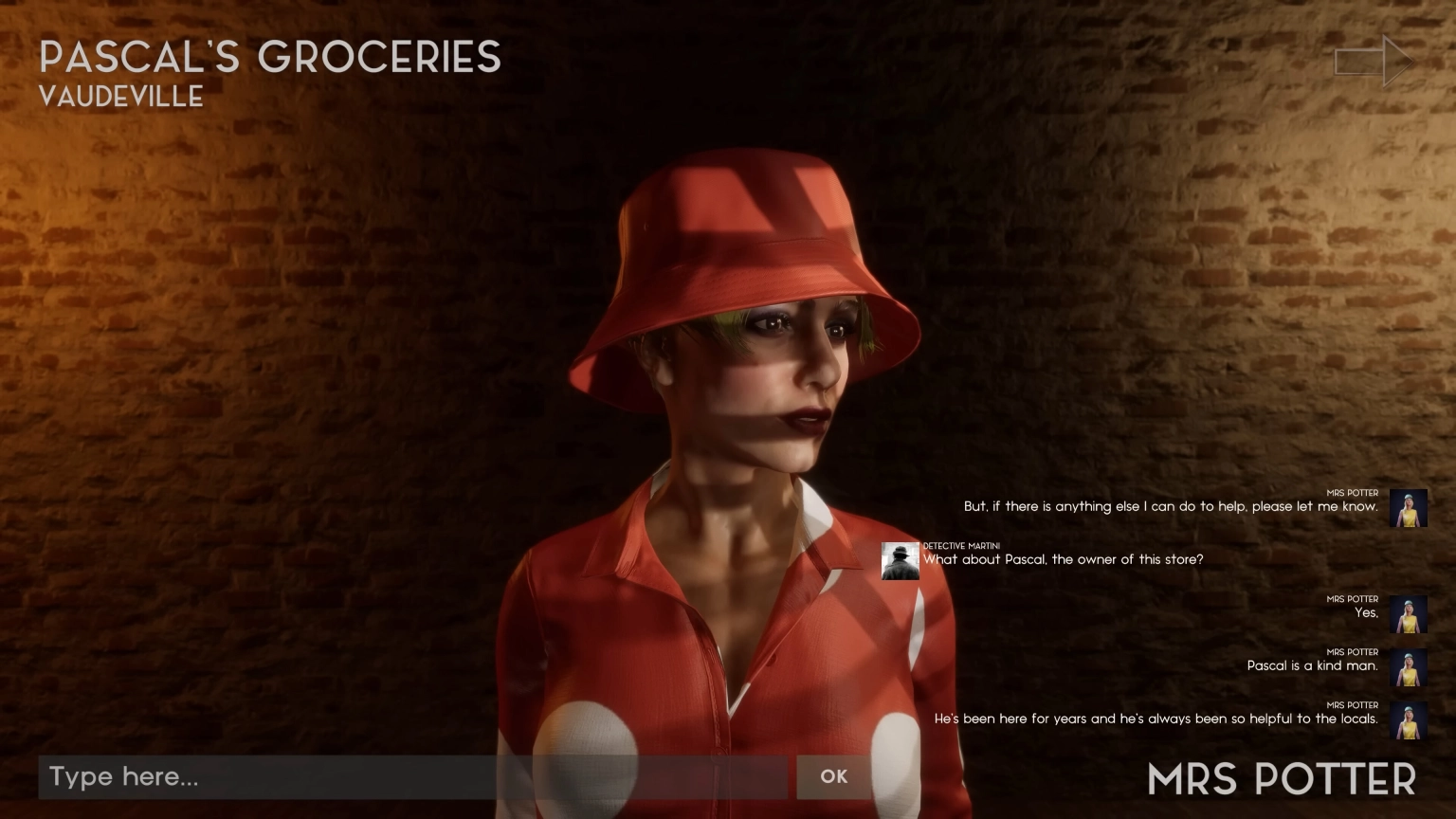
Vaudeville is a rare example of an AI detective game where the entire experience is built around conversation. The player takes on the role of private detective Martini and investigates murders in a strange European city filled with suspicious performers, widows, aristocrats, and circus-like figures.
In a traditional detective game, the “right” questions are usually written in advance. Here, the game tries to respond to natural speech. You can pressure a suspect, ask for details, test an alibi, or approach the conversation from an unexpected angle. Sometimes this creates the feeling of a real investigation. Sometimes it also shows how difficult it is to make AI maintain a coherent mystery.
AI companion narrative:
In Vaudeville, the AI characters are not exactly companions in the friendly sense. They are living sources of suspicion. Each character seems to hold their own version of the truth. AI turns every dialogue into an interrogation where the player’s logic, persistence, and wording matter.
Interesting fact:
The developers openly describe the game as using conversational AI to generate dialogue. Because of that, each interrogation can feel different, even when the basic mystery remains the same.
Best for:
Players interested in experimental AI NPCs, especially those willing to forgive rough edges for the sake of seeing where the genre could go next.
4. Inworld Origins
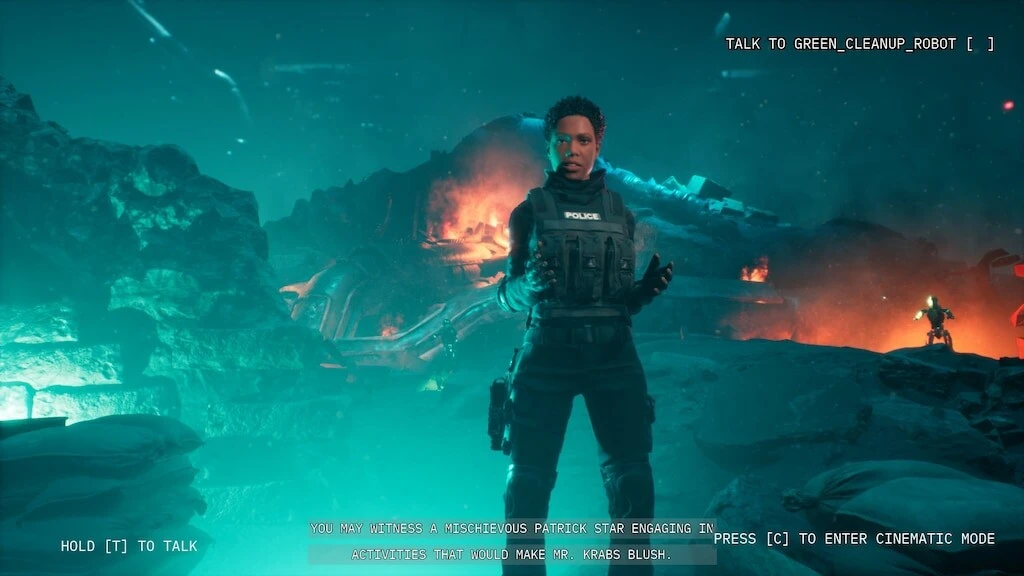
Genre: sci-fi detective demo, adventure, AI tech showcase
AI role: AI-powered NPCs, conversational witnesses, dynamic dialogue
User rating: around 67% positive on SteamDB
Editorial rating: 7.4 / 10
Inworld Origins feels more like a glimpse of the future than a traditional game. After an explosion in the city of Metropolis, the player becomes a detective and questions humans and robots to understand what really happened. The main feature is a cast of NPCs who do not simply deliver pre-written lines. They answer the player’s questions through an AI dialogue system.
The project is strongest when it shows how a new type of investigation could work. The player is not searching for the one correct dialogue button. Instead, they speak to witnesses the way they might speak to living characters. You can ask strange questions, provoke them, rephrase your ideas, and try to catch them in contradictions.
AI companion narrative:
The most interesting role here does not belong to one single companion, but to the entire network of witnesses. Each NPC becomes part of a living web of suspicion. The AI makes them feel less like static clue dispensers and more like characters trying to stay consistent inside their own world.
Interesting fact:
The demo was created by Inworld AI as a showcase for game developers. It does not present the final form of AI detective games, but it clearly points in one direction: fewer scripts, more conversation.
Best for:
Players who follow the future of RPGs, immersive sims, and games where NPCs are expected to remember, react, and push back.
5. 1001 Nights — A Story-Crafting Game
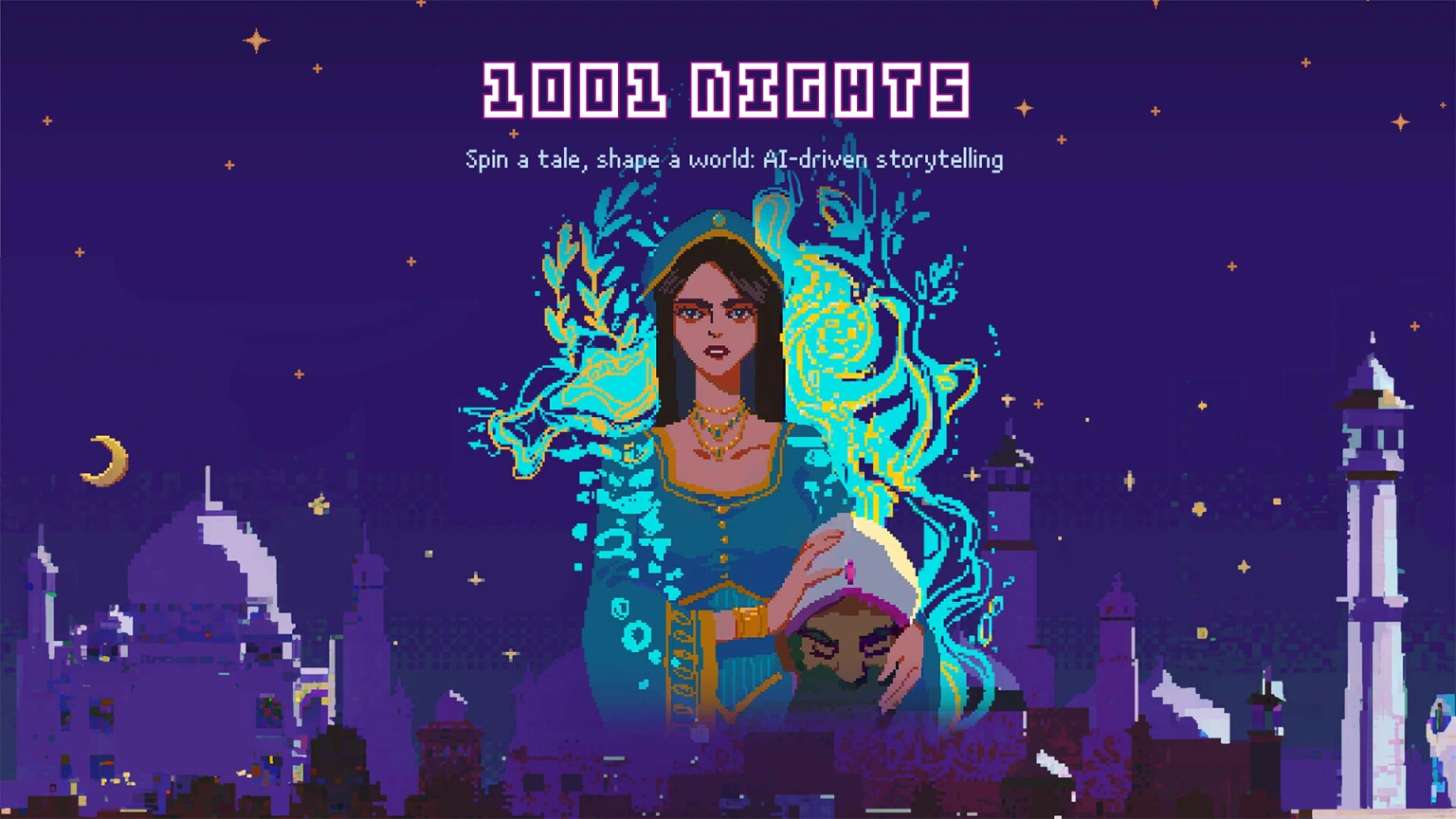
Genre: interactive fiction, visual novel, experimental narrative game
AI role: conversational AI, story crafting, generative narrative turns
User rating: 4.5 / 5 on itch.io, based on a small sample
Editorial rating: 8.0 / 10
1001 Nights is the most artistic project in this selection. It does not simply try to replace the writer with an AI system. Instead, the entire game is built around the idea of collaborative storytelling. The player becomes Scheherazade, who must survive by telling stories to an AI king. Words are not decorative here. They are tools of action.
This is one of the rare cases where AI is not just a technical trick, but the central mechanic. The player must tell stories in a way that pushes the king to say specific words. Those words can then become weapons, resources, or ways to alter the heroine’s fate.
AI companion narrative:
The AI king is not a helper. He is a dangerous listener. He judges, reacts, becomes impatient, and forces the player to treat language as a battlefield. His role is closer to an antagonist-companion: he is always present, but never completely safe.
Interesting fact:
The project began before the mass popularity of ChatGPT and has developed as an academic and art-game experiment. The team has emphasized that the visual assets are made by artists, while AI is used to shape the interactive experience itself.
Best for:
Players who enjoy unusual narrative games where mechanics, poetry, and strategy exist in the same space.
Why AI Companions Are Changing Game Stories
Traditional NPCs usually work like well-hidden machines. They wait for the right trigger, deliver a line, open a quest, close a branch, and return to silence. AI companions break that structure. They make games less predictable, but sometimes more alive.
The technology is still far from perfect. AI can forget details, drift away from the topic, respond strangely to simple questions, or damage the dramatic rhythm of a scene. But even those flaws reveal a new direction: players do not only want to choose a response. They want to create one.
The best AI games today are not necessarily the ones where “AI made everything.” The best ones are the games where AI has a clear dramatic role. The captor in AI2U, the storyteller in AI Dungeon, the suspects in Vaudeville, the witnesses in Inworld Origins, and the king in 1001 Nights all work differently, but they all push games toward the same future.
Games are no longer just interactive.
They are becoming conversational.