
- Game: Samson
- Genre: Third-person action
- Platforms: Windows
- Language: English
- Developer: Liquid Swords
- Publisher: Liquid Swords
- Website: thesamson.com
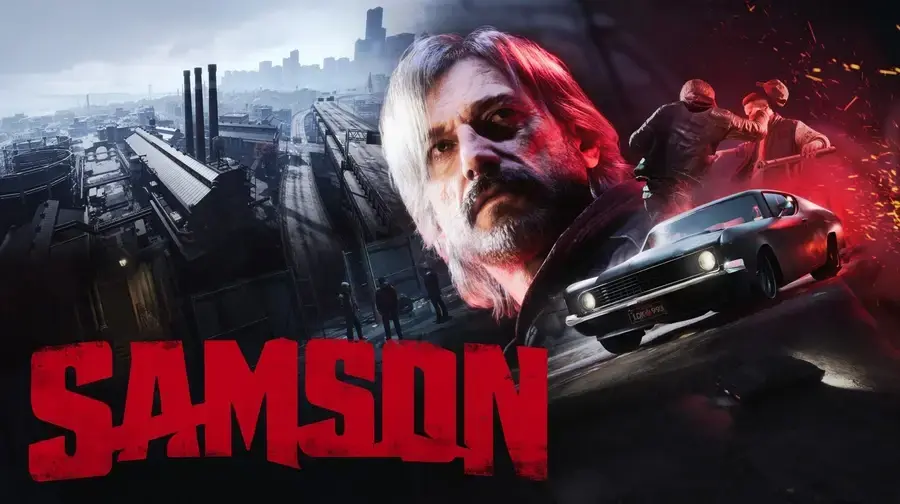
Liquid Swords, the studio founded by industry veteran Christopher Sundberg, has released Samson – an action title that serves as a budget-friendly alternative to the traditional GTA formula. Priced at just $25 (or 550 UAH in Ukraine), this A-tier project offers a gritty urban experience without the $80 price tag or the massive marketing campaigns typical of modern open-world blockbusters. While the game has received a somewhat lukewarm reception from the player base, it possesses several qualities that warrant a closer look.
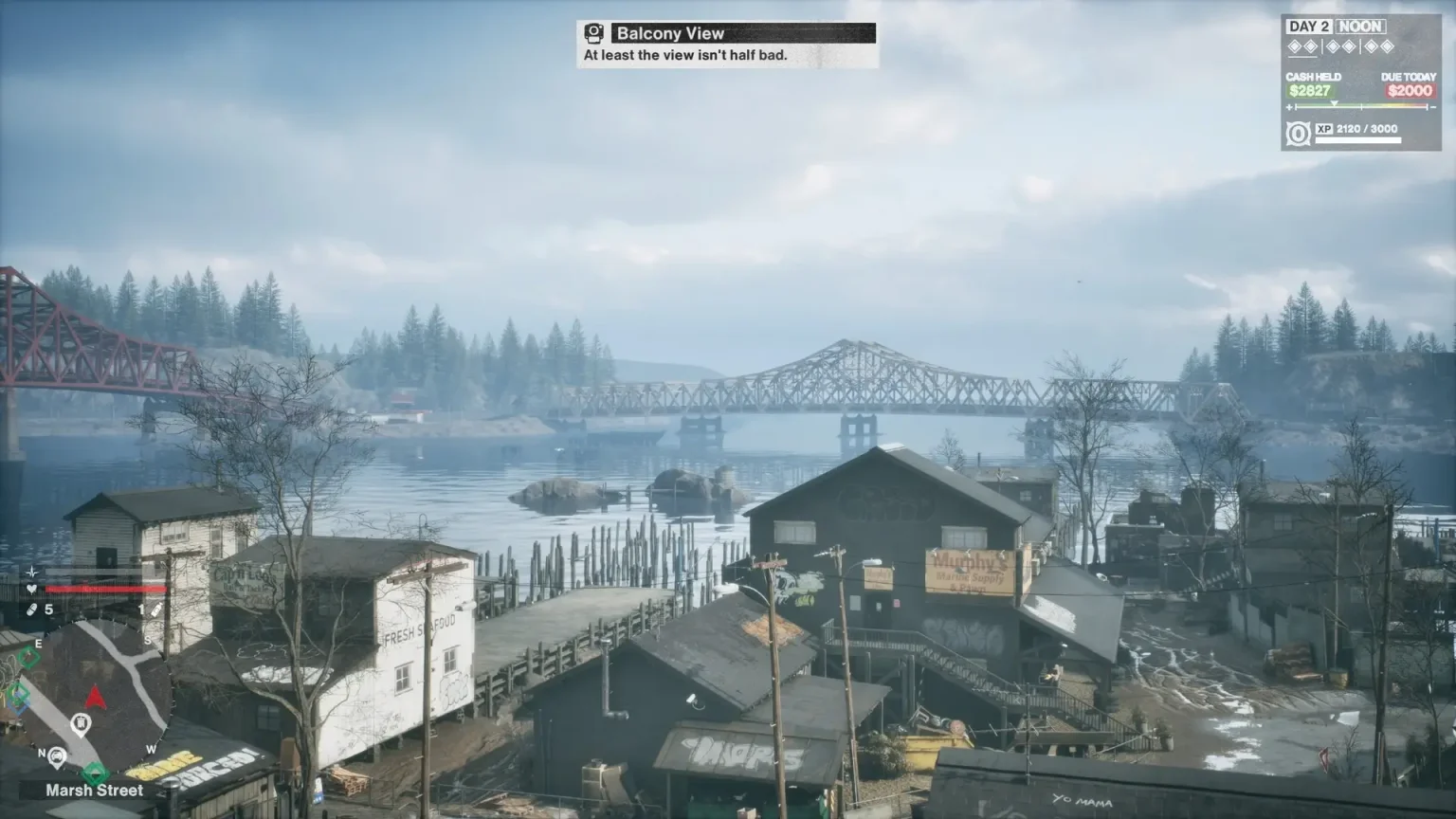
While some might mistake Samson for a small indie effort, the pedigree behind it is significant. Christopher Sundberg, who established Avalanche Studios and worked on franchises like Just Cause and Mad Max, launched Liquid Swords in 2020 using his own capital. Despite the “AAA” ambitions mentioned on his LinkedIn profile regarding the development and successful pitching of original concepts to global publishers, the studio currently operates with a focused team of approximately 40 employees.
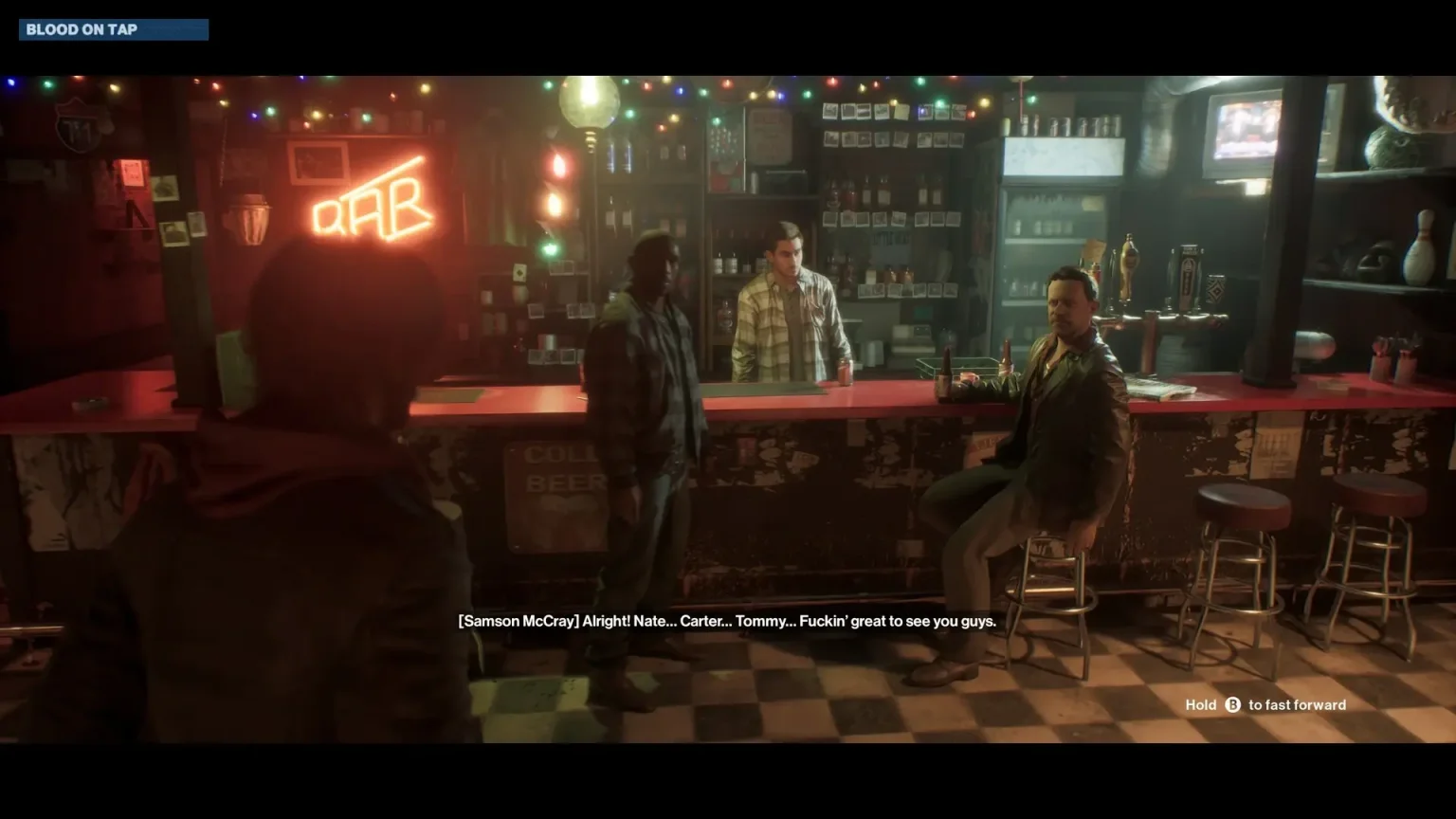
The narrative centers on Samson McCray, a getaway driver who returns to his hometown, Tyndalston, after a disastrous job. His homecoming is far from celebratory; Samson is buried under a $100,000 debt to dangerous creditors. To ensure the safety of his sister, who is being held as collateral, he must make daily payments by taking on any dirty work he can find.
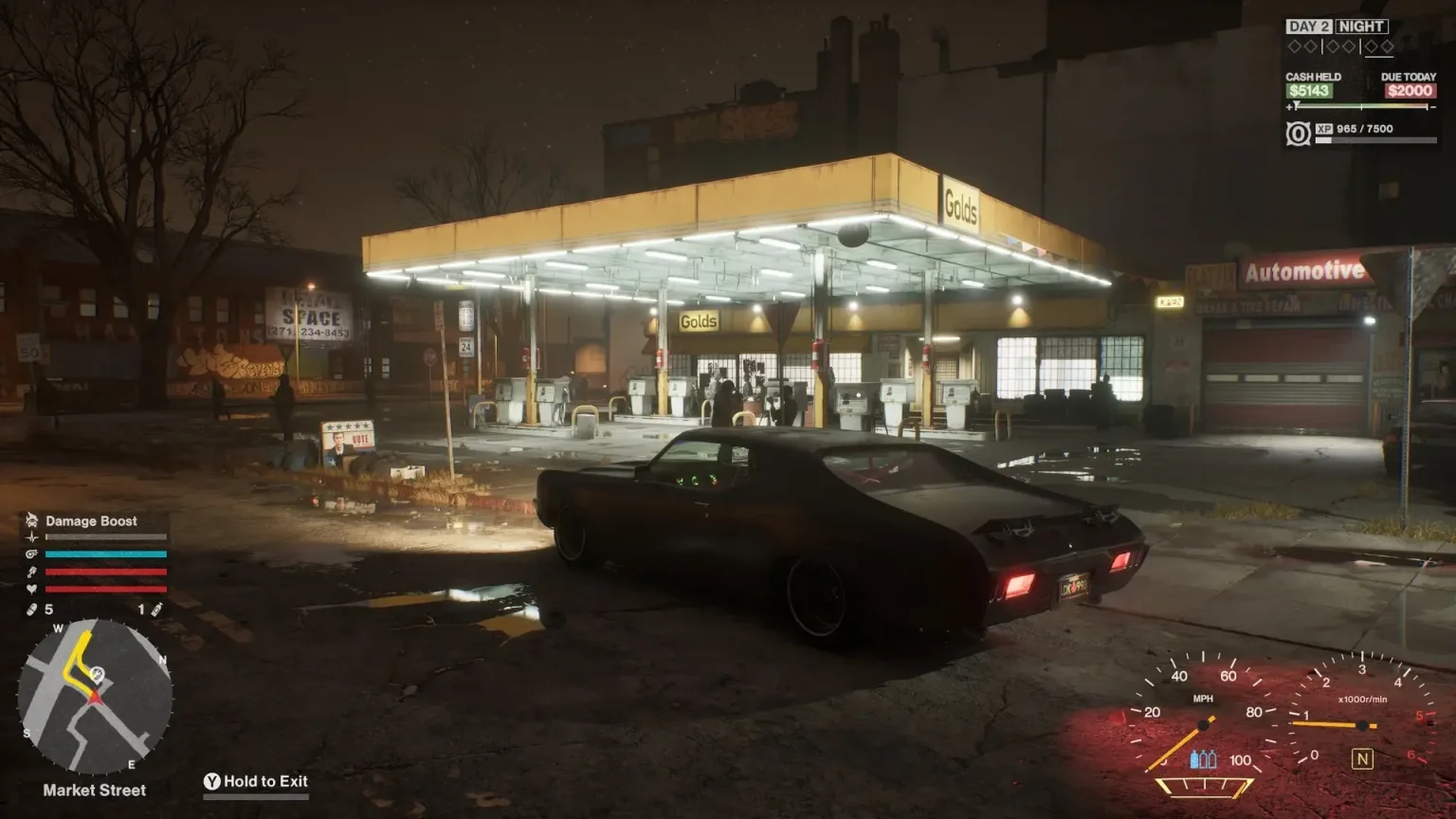
Tyndalston is a bleak, economically depressed environment where lucrative opportunities are scarce. Consequently, the protagonist’s routine consists of repetitive, low-level tasks. Players spend most of their time delivering cargo, tailing targets, and engaging in frequent street brawls as they struggle to scrape together enough cash to satisfy the local loan sharks. It is a hard life.
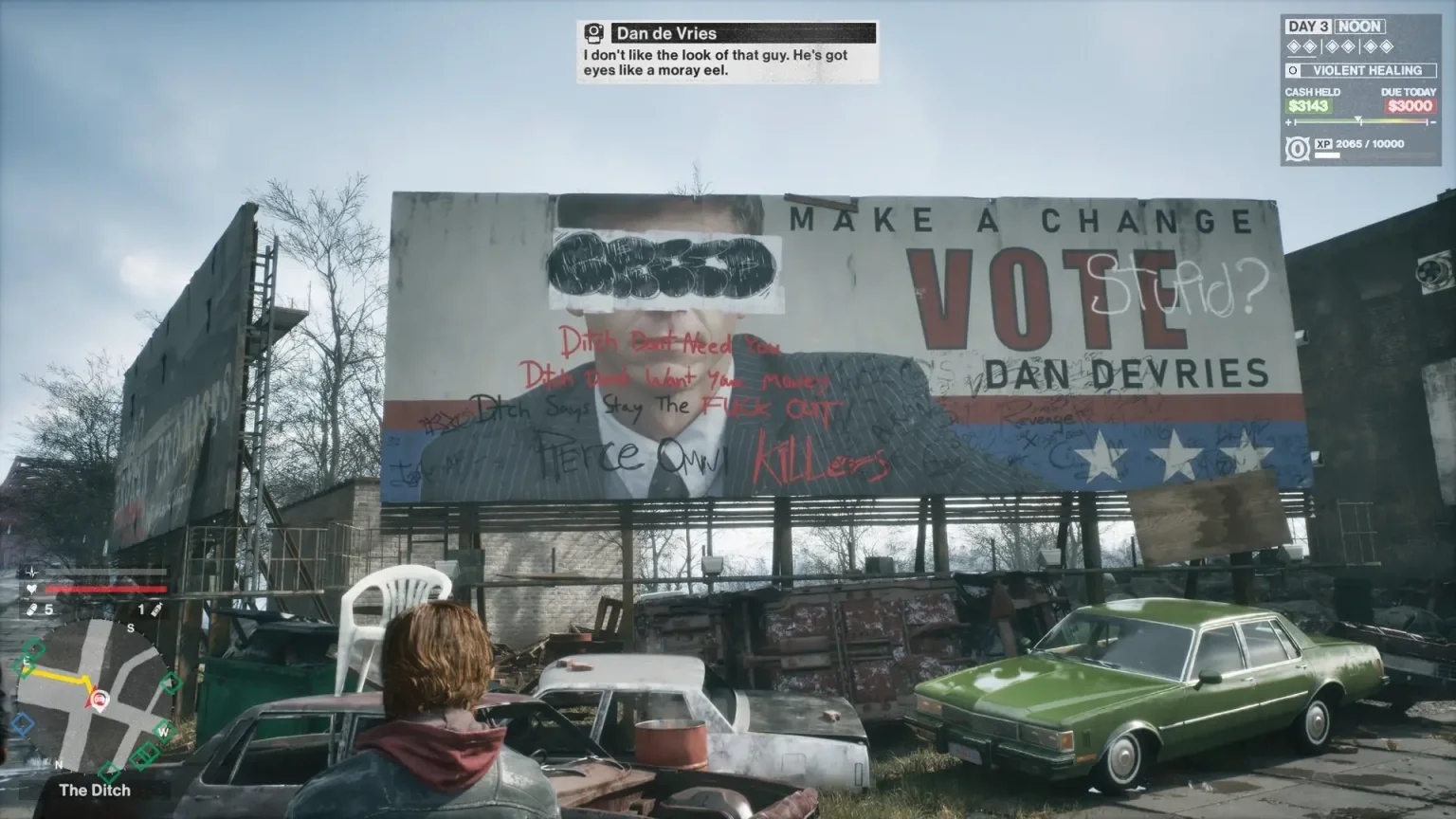
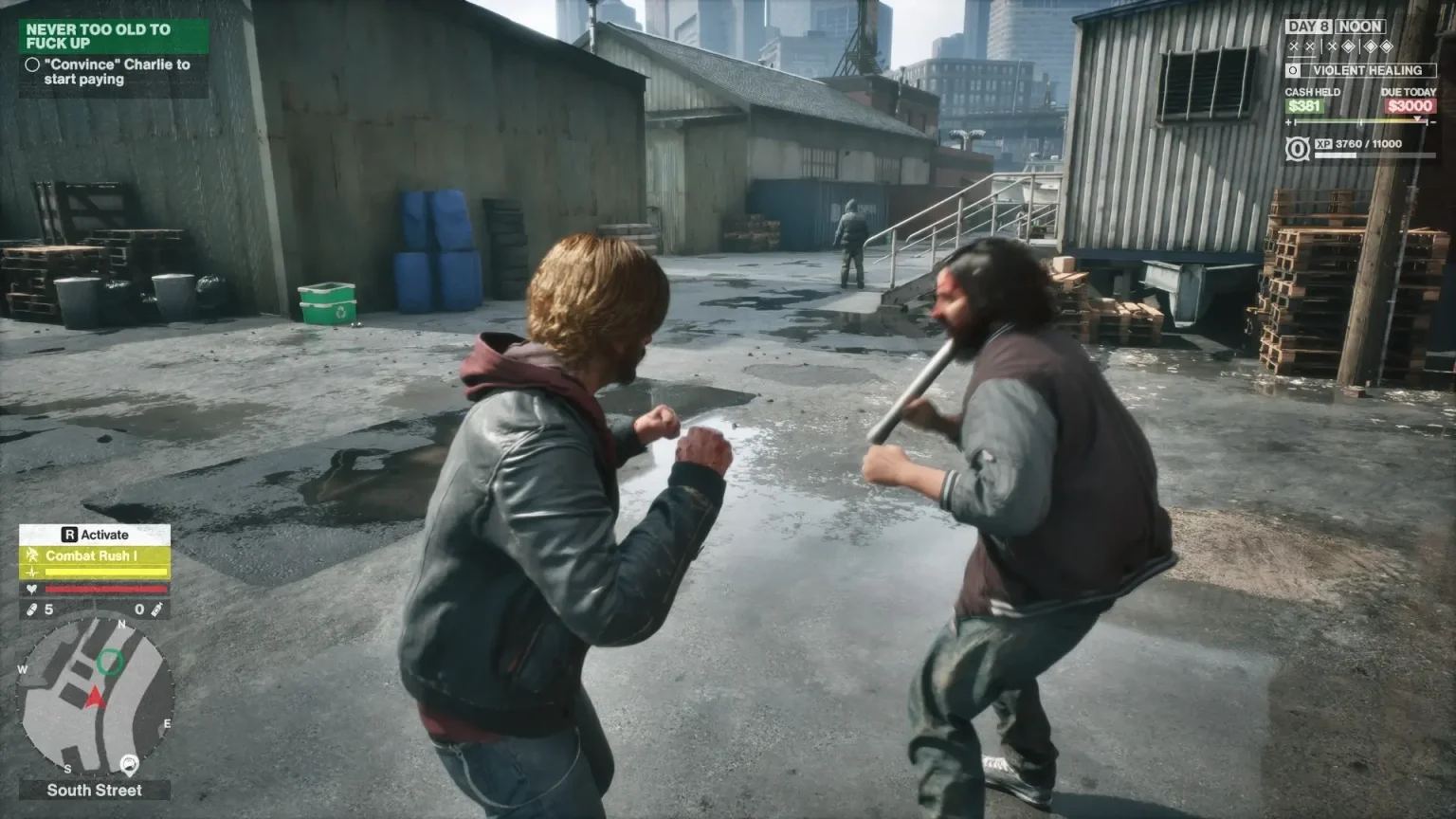
The missions provided by Samson’s boss are notoriously uniform, focusing heavily on illegal racing or hand-to-hand combat. Notably, firearms are entirely absent from the game. Instead, players must rely on their fists or improvised weapons scattered throughout the environment – ranging from pipes and bricks to more eccentric items like frozen fish, all of which break quickly with use.
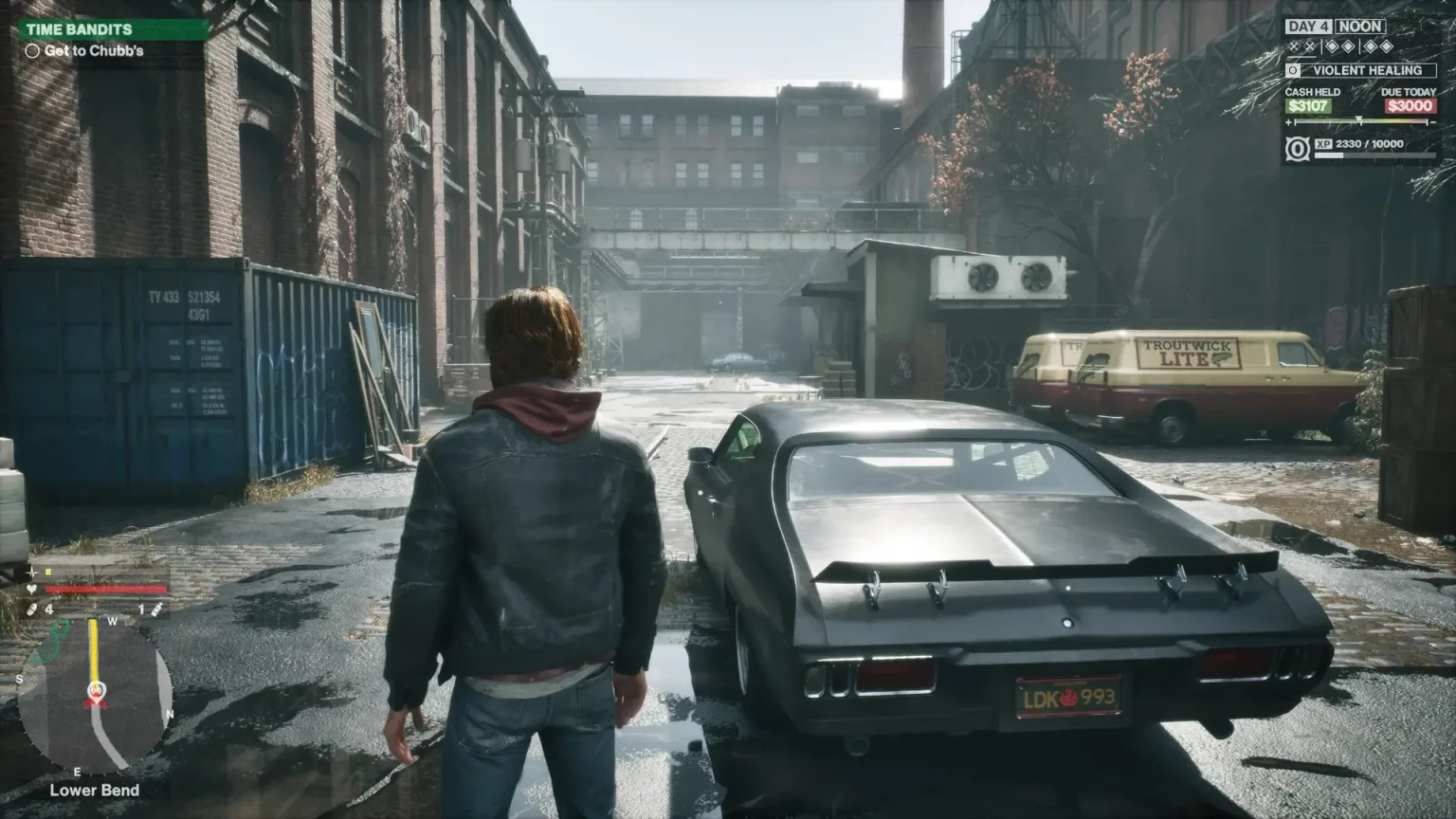
While the premise suggests a deep brawling system, the actual mechanics are quite shallow. The game lacks a complex combo system, limiting the player to basic light and heavy attacks, blocks, and dodges. Although Samson performs different animations based on positioning and timing, the core strategy rarely evolves beyond spamming the light attack and dodging at the right moment.
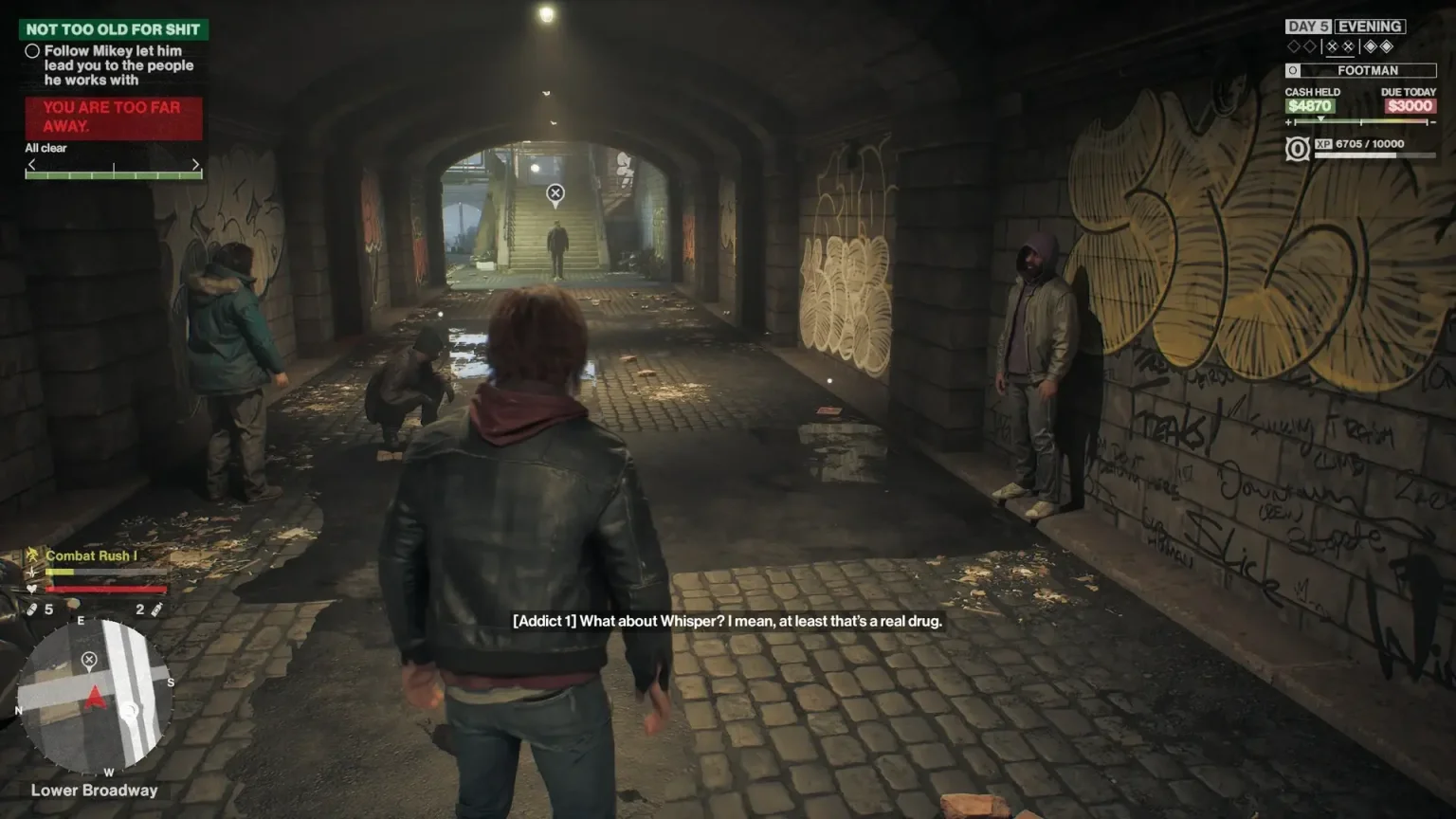
Monotony is the game’s greatest enemy, as a significant portion of the experience is dedicated to these simplistic fights. After dozens of identical encounters, the gameplay loop begins to feel like a chore. This feeling is compounded by a lack of mission variety, often forcing players to visit the same fish factory multiple times to fight enemies standing in the exact same spots.
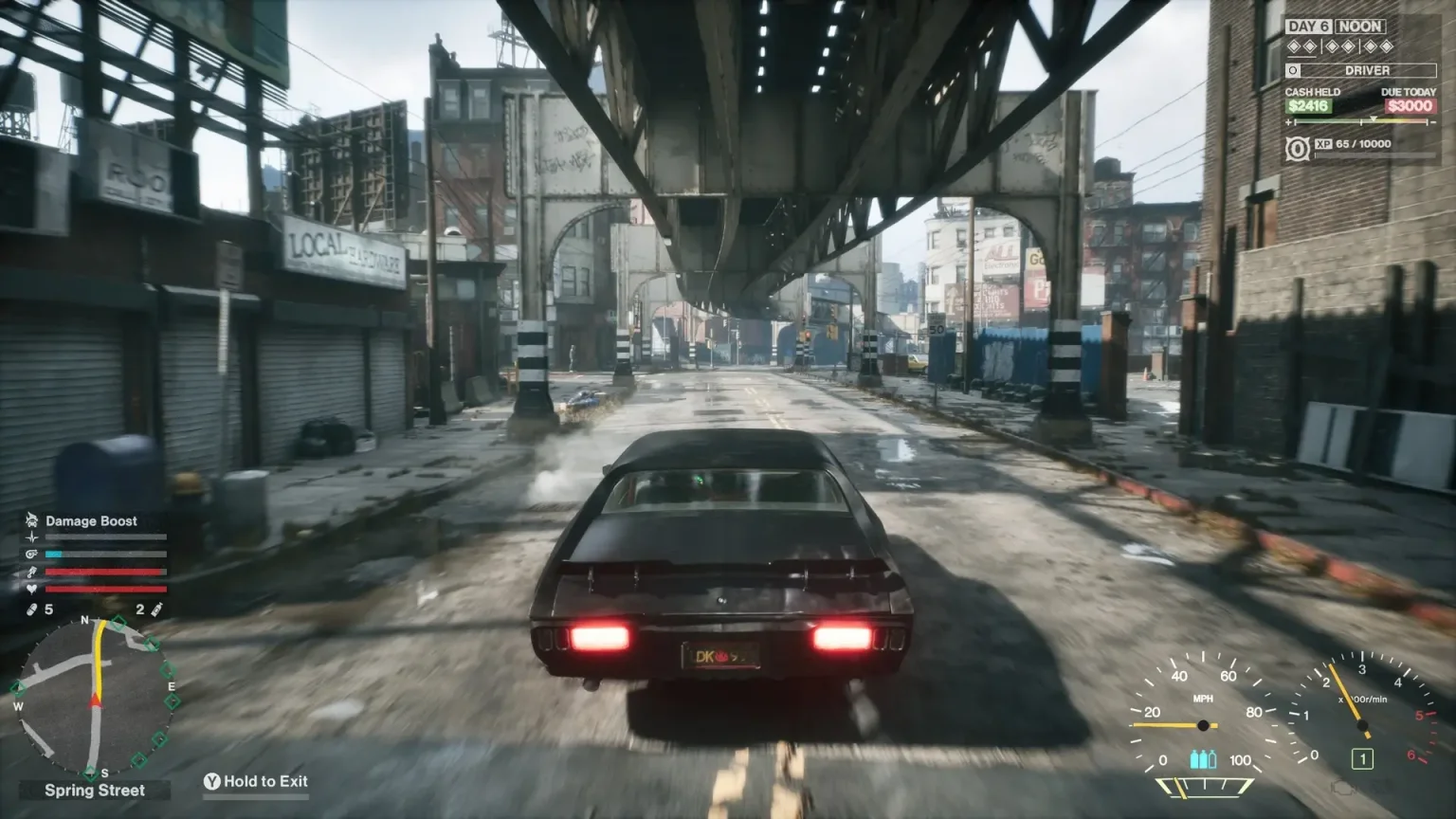
Vehicle-based missions offer a slight change of pace but come with their own frustrations. The cars in Tyndalston feel heavy and suffer from significant inertia, often getting stuck on roadside debris. Furthermore, car-ramming missions are particularly risky, as the cost of repairing your vehicle often outweighs the payout for the job itself.
Technical instability is perhaps the most glaring flaw in the current build. Samson is plagued by a volume of bugs reminiscent of early 2000s releases. Players may fail missions because a car clipped into the environment or an NPC failed to spawn. I personally lost my accumulated in-game currency three times due to glitches that even bypassed the game’s protection perks.
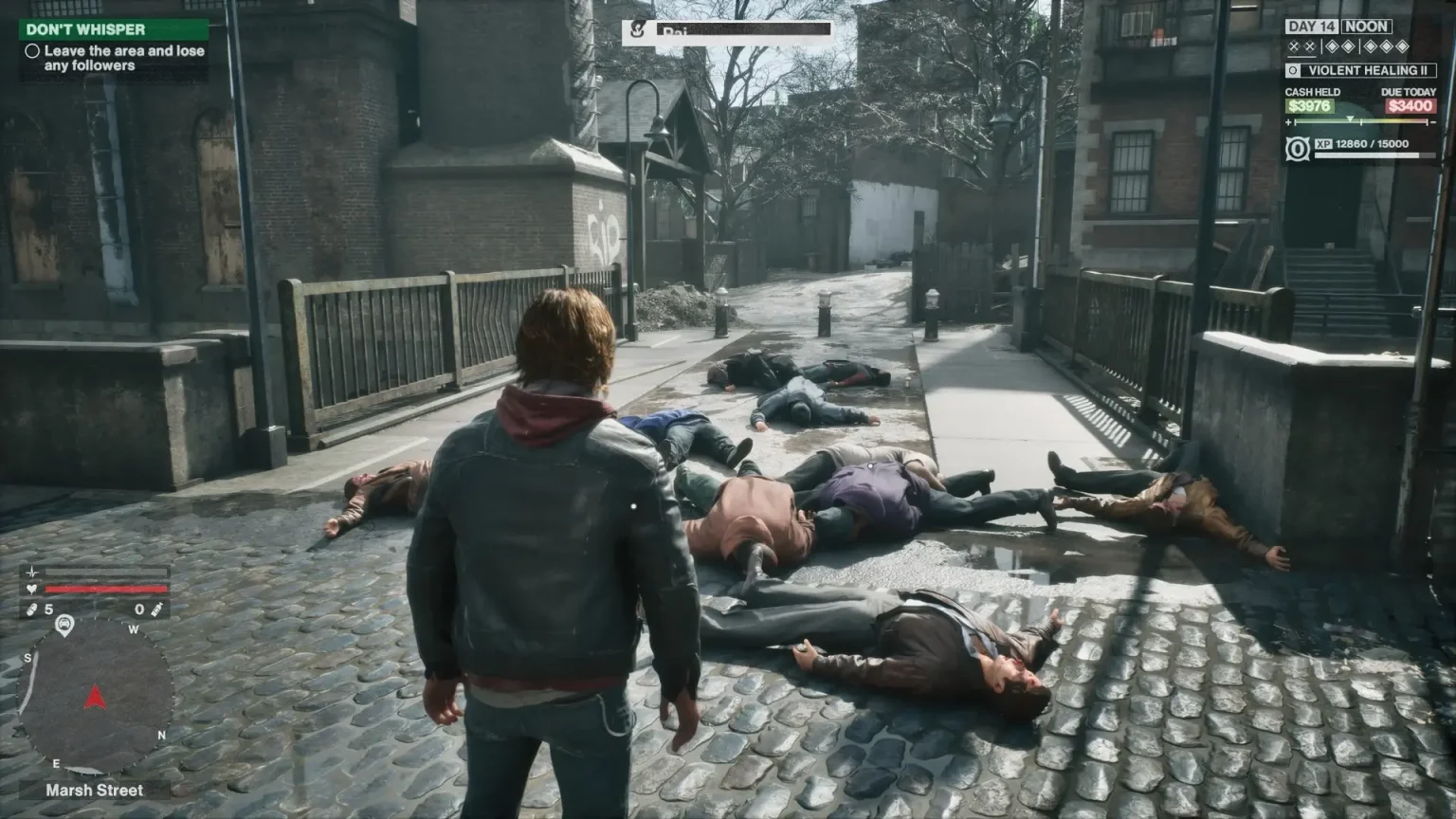
The artificial intelligence is equally problematic, with non-player characters exhibiting erratic behavior. Pedestrians frequently dive under moving cars, walk directly into walls, or fail to acknowledge the player’s presence even at close range. These logic errors break the immersion and often turn routine navigation into a frustrating and unpredictable obstacle course.
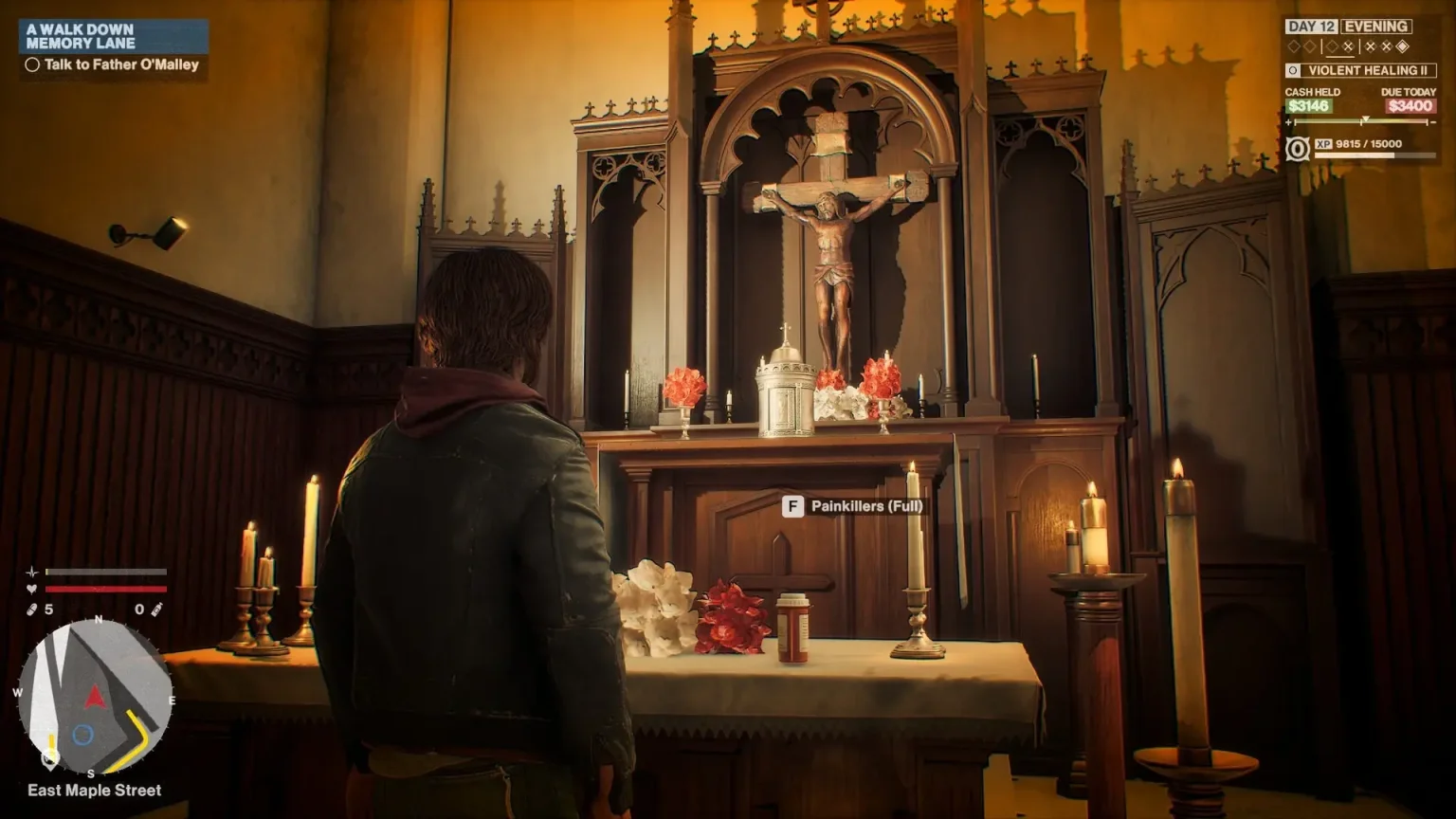
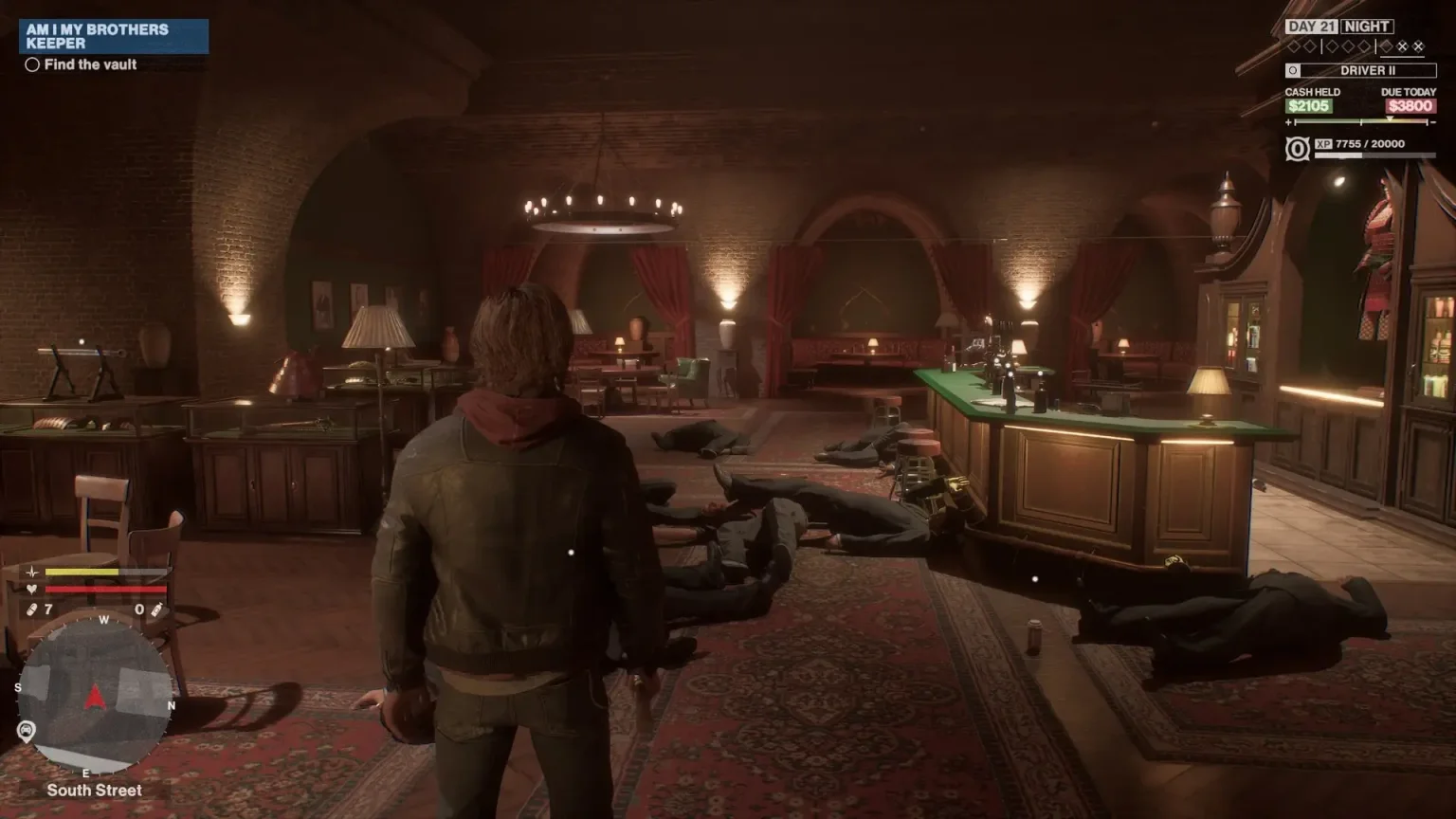
Despite these technical hurdles, there is a compelling reason to keep playing: the city itself. Built on Unreal Engine, Tyndalston is a masterclass in atmospheric world-building. It is a filthy, decaying, and oppressive urban sprawl that manages to be genuinely impressive through its meticulous attention to detail and grounded aesthetic. The city feels heavy.
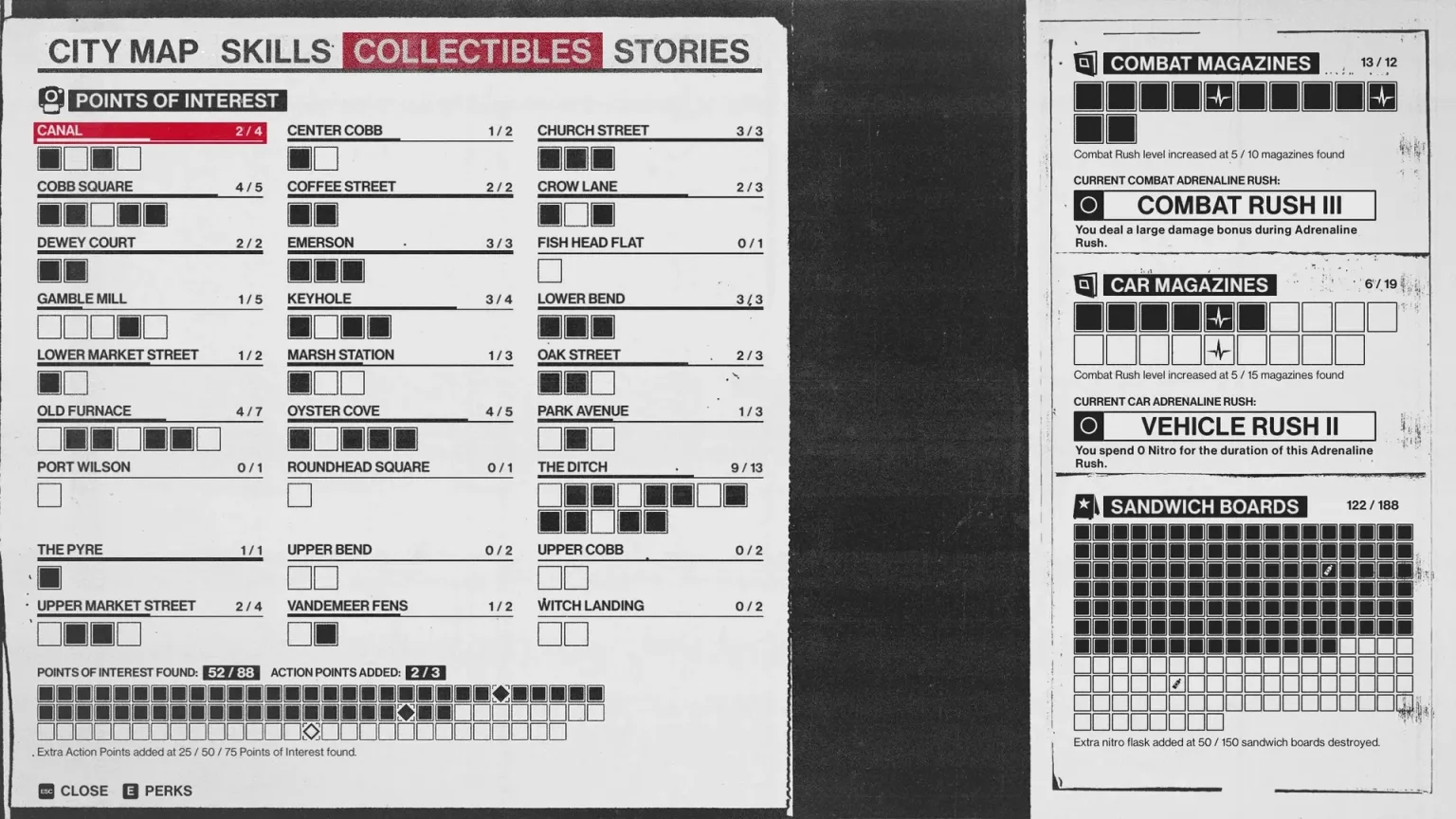
While the map is relatively small – roughly the size of a few blocks in GTA V – it is packed with personality. As players explore the cramped streets, Samson encounters “memory” spots where he reflects on his past. These locations and various collectibles are tied to a straightforward progression system that doesn’t require total completion to finish the main story.
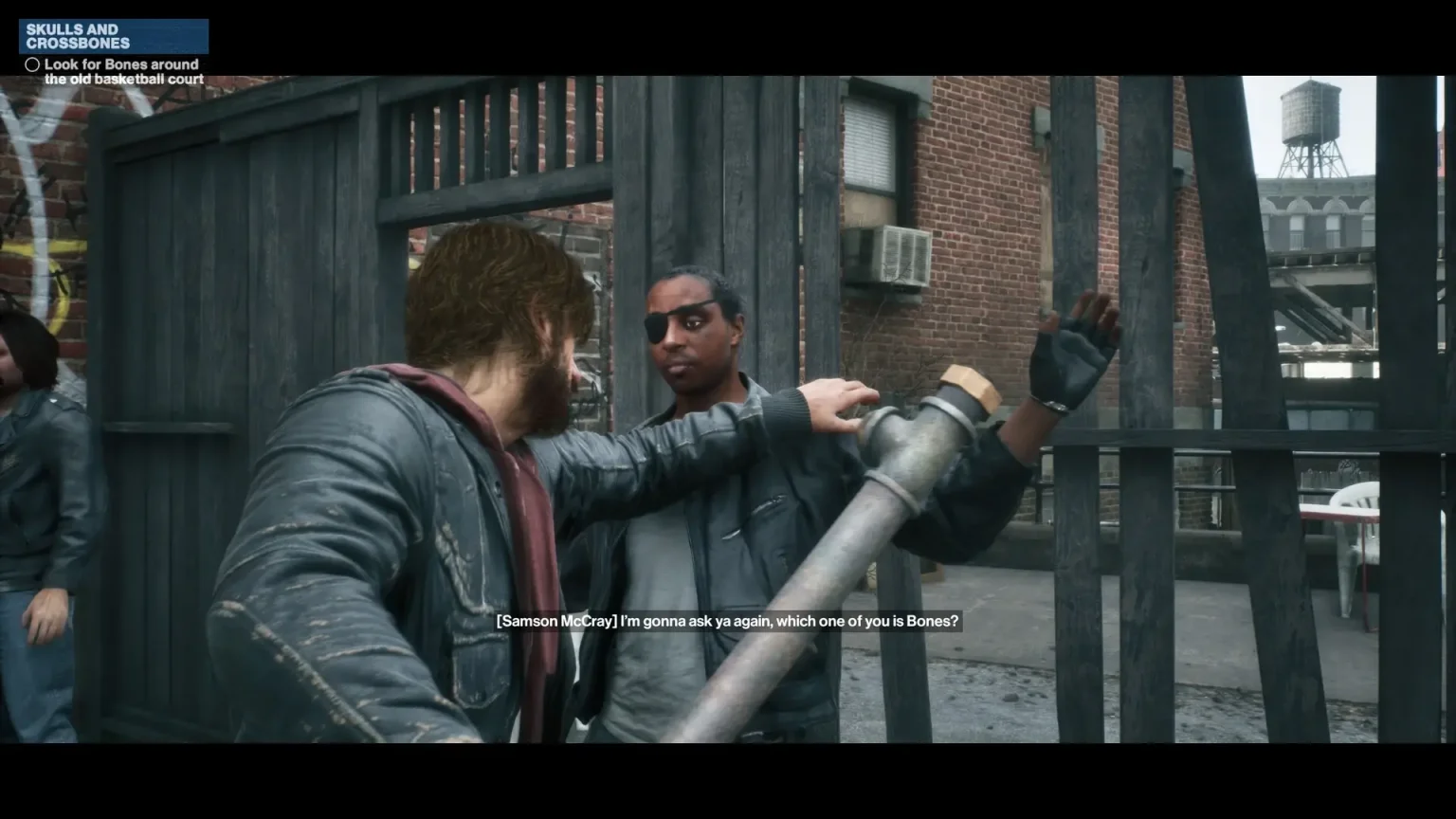
There is a darker narrative thread woven into the city’s fabric. Tyndalston is being torn apart by a flood of dangerous narcotics and the systemic displacement of its residents. Players can stumble upon scripted scenes involving the homeless and addicts, offering glimpses into a larger conspiracy that Samson can choose to investigate as he moves through the world.
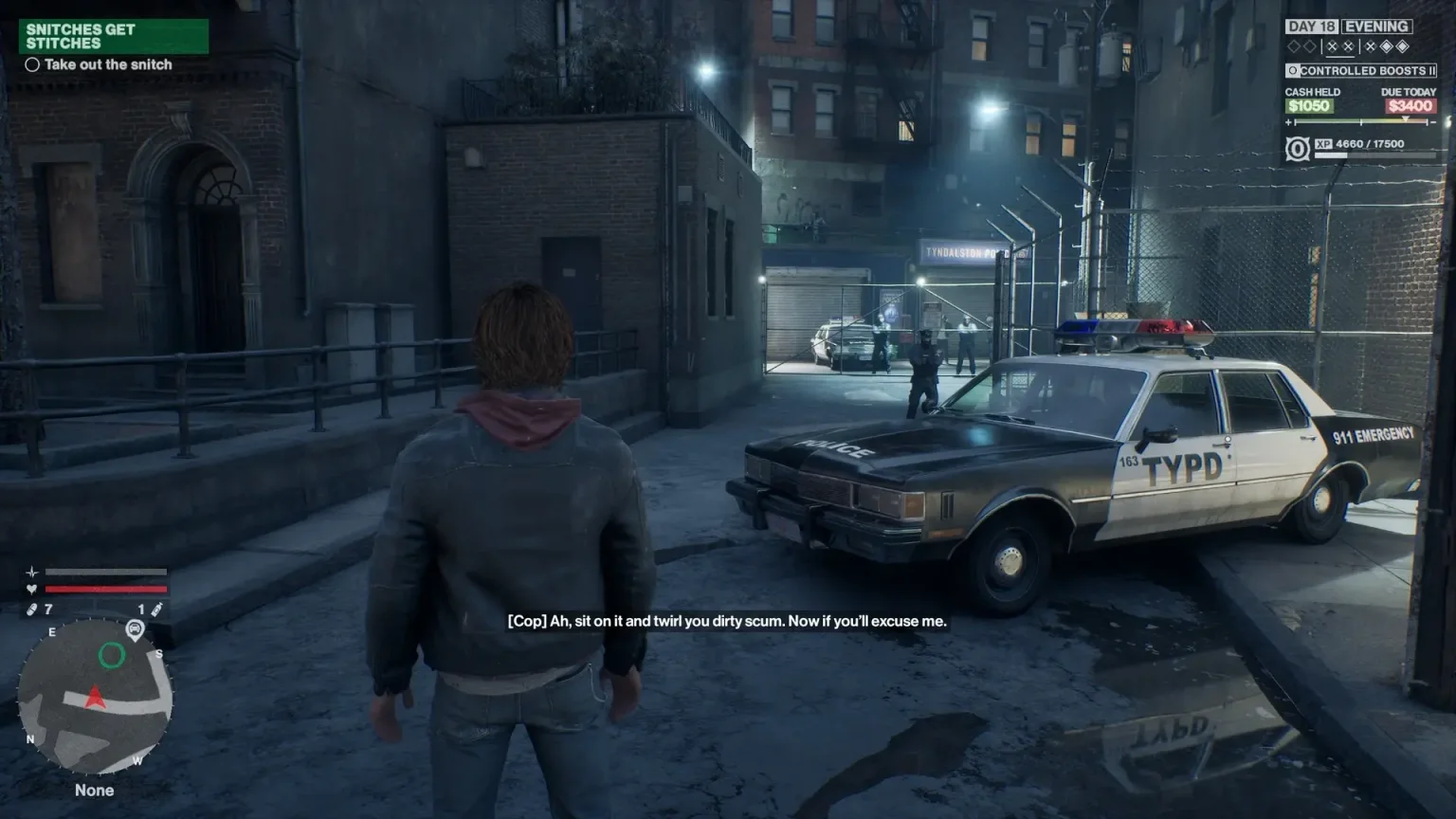
The personal stakes escalate when a violent attack on a friend’s bar leaves him wounded. This event forces the player to balance the hunt for debt money with a quest for vengeance. Naturally, this leads to even more street fights as Samson tries to uncover who is pulling the strings behind the city’s rapid decline and the attack on his inner circle.
The plot isn’t groundbreaking, but it remains engaging enough to drive the player toward its conclusion. In terms of length, Samson is a lean experience; a focused playthrough of the main missions takes only about 4 hours. However, technical glitches and the constant need to pay off debts can easily double or triple that time for most players.
Ultimately, Samson is a flawed but intriguing experiment. If the developers at Liquid Swords can iron out the game-breaking bugs and add more variety to the mission structure, they could have a minor hit on their hands. For now, it remains a “minimalist GTA” – a gritty, low-cost story set in a remarkably atmospheric and memorable world.