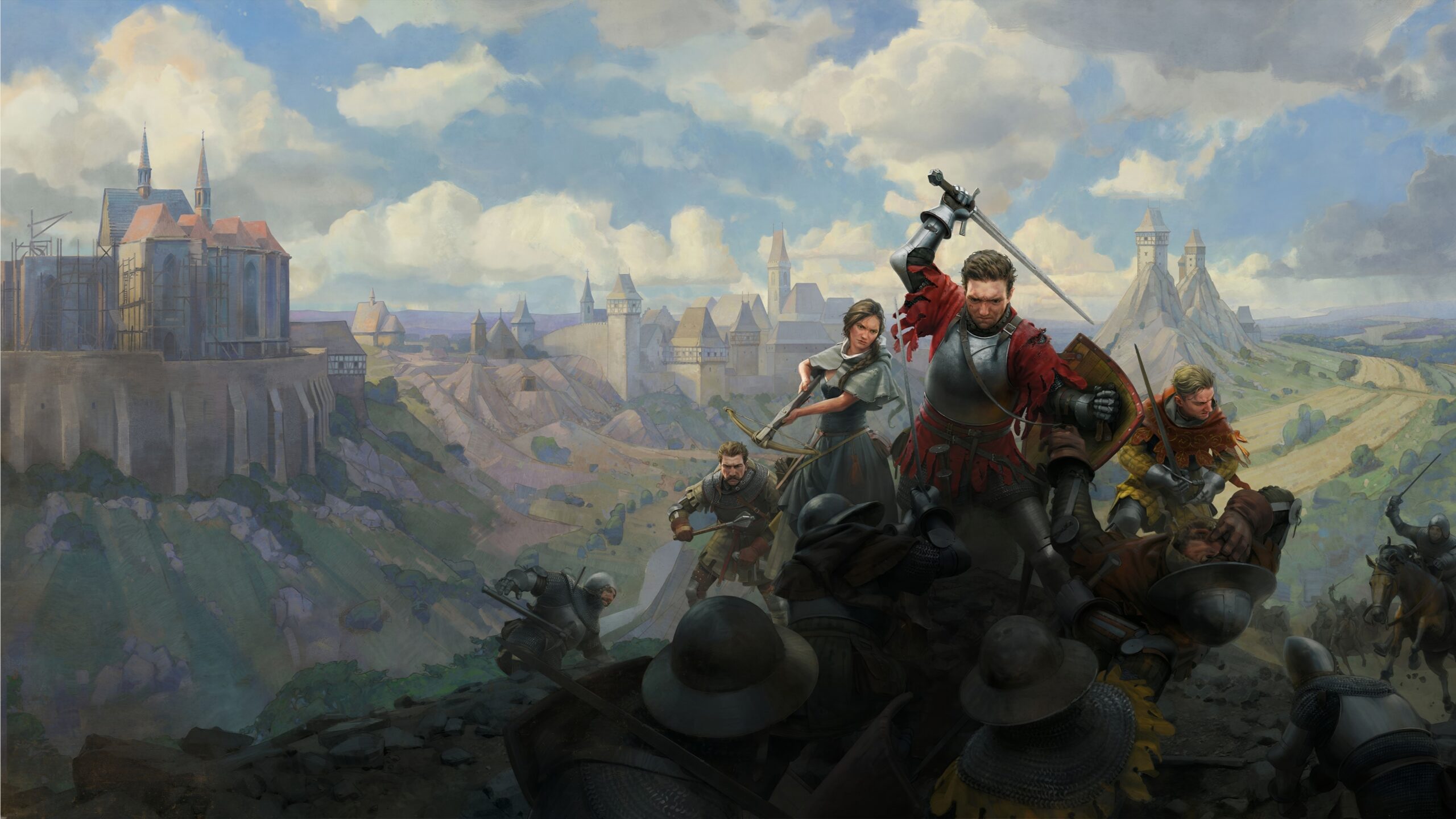

We are expanding our series of game recommendations for modest systems, focusing this time on the RPG genre. It is a category that perfectly illustrates how cutting-edge hardware is not always a necessity for an exceptional narrative journey. Since many foundational role-playing titles were released years ago, they now run effortlessly on older computers and entry-level laptops.
For some, this compilation serves as a chance to finally experience recognized classics that have remained on their backlogs for far too long. Others will certainly find their own personal favorites here – titles from their youth that first introduced them to the depth of the genre. We have selected only those projects that are still available for purchase and capable of delivering dozens, or even hundreds, of hours of immersive play.
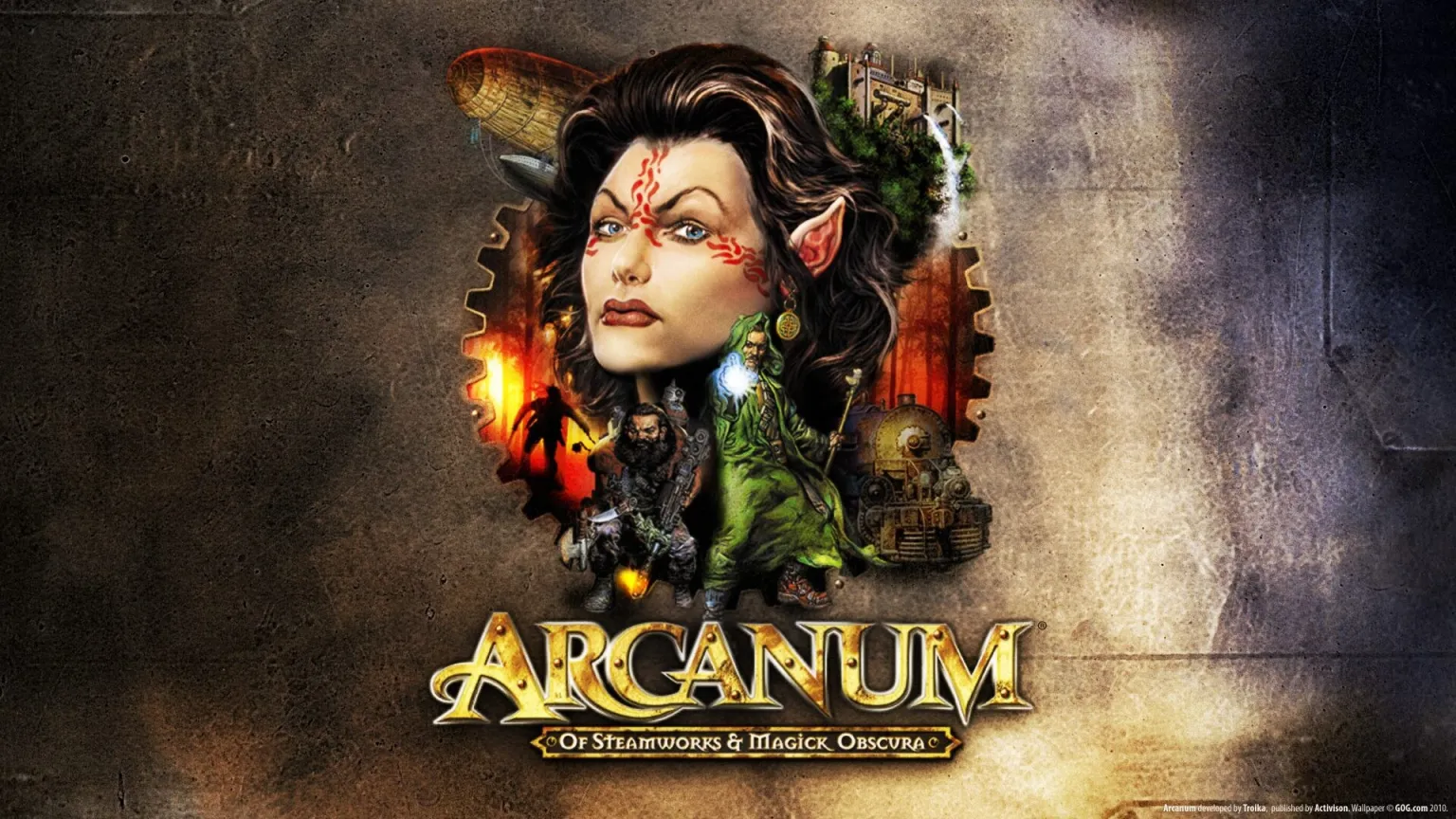
Arcanum Of Steamworks and Magick Obscura
Platforms: Windows
Released: 2001
Arcanum is a title that leaves a lasting impression primarily through its world-building. Instead of traditional high fantasy, it presents a unique synthesis of magic and industrial technology. Sorcerers exist alongside factories, steam-driven machinery, and firearms, making the conflict between science and mysticism feel vibrant even today.
The core appeal of Arcanum is found in its absolute freedom. Your character choice – whether you are a diplomat, a technologist, a mage, or a fighter – fundamentally reshapes the game through unique dialogues and varied solutions to obstacles. Though it may feel slow or slightly cumbersome by modern standards, its depth and non-standard setting often outperform much newer releases.
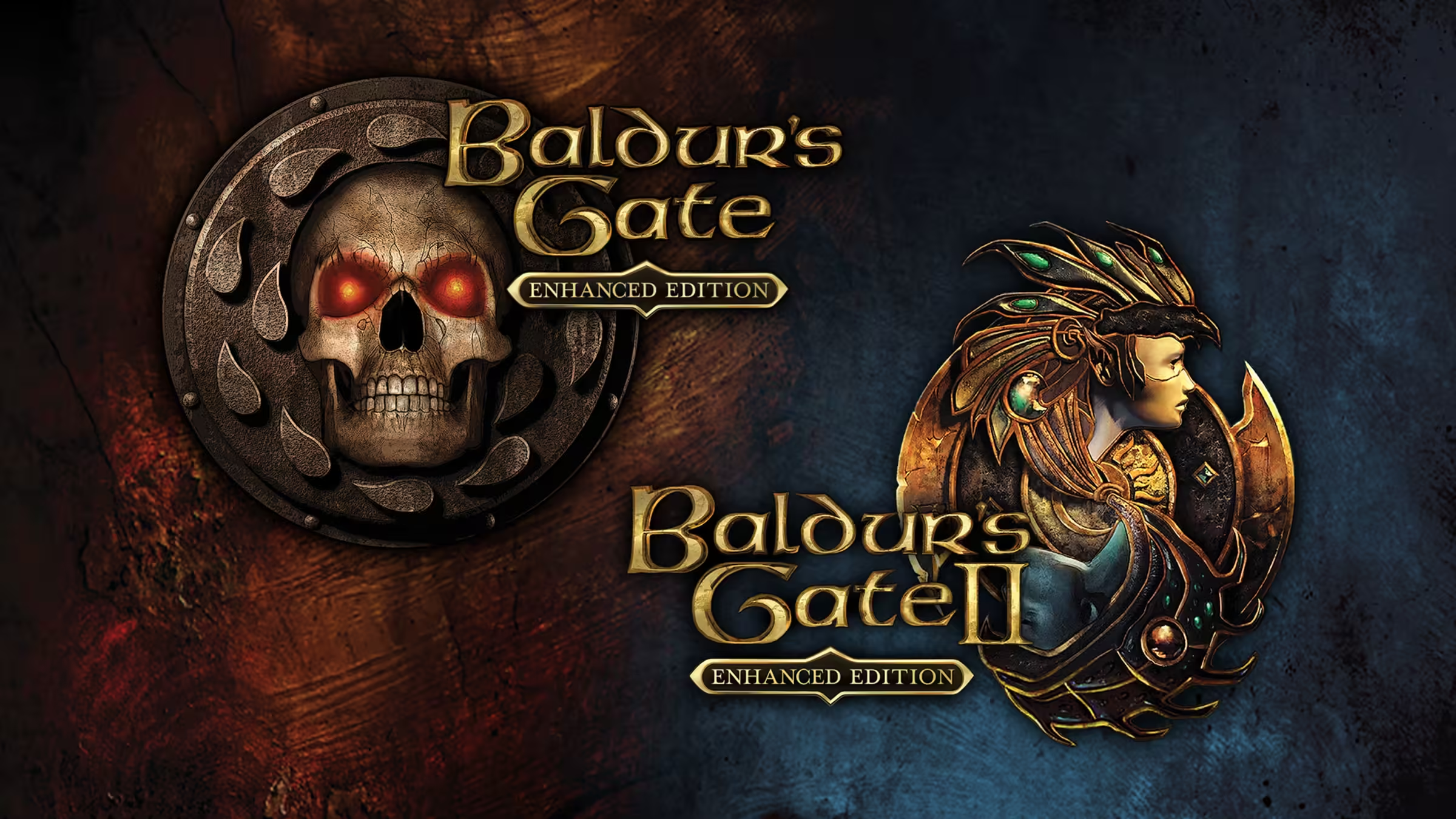
Baldur’s Gate Enhanced Editions
Platforms: Windows, PlayStation 4, Xbox One, Nintendo Switch
Released: 2012, 2013
The Baldur’s Gate series represents the pinnacle of classic cRPGs from BioWare, establishing the blueprint for party-based role-playing long before the arrival of the third installment. The experience is centered on companions, dialogue, and a narrative that evolves from a modest personal story into a grand saga. While the first game is a grounded adventure, the sequel immediately raises the stakes with dramatic tension and complex character arcs.
Companions are the heart of these games. They do more than just fight – they define the mood of the journey through their distinct personalities, internal conflicts, and spontaneous remarks. In the wake of the recent success of Baldur’s Gate 3, these original chapters are viewed as the vital foundation of the genre, utilizing a real-time system with pause that demands specific tactical habits.
For those seeking a deep team-based experience with a focus on story progression, these first two entries remain essential. If players crave even more traditional fantasy combat after completing them, the more battle-focused Icewind Dale is a closely related alternative worth exploring.
Disco Elysium
Platforms: Windows, PlayStation 4/5, Xbox One/Series X|S, Nintendo Switch
Released: 2019
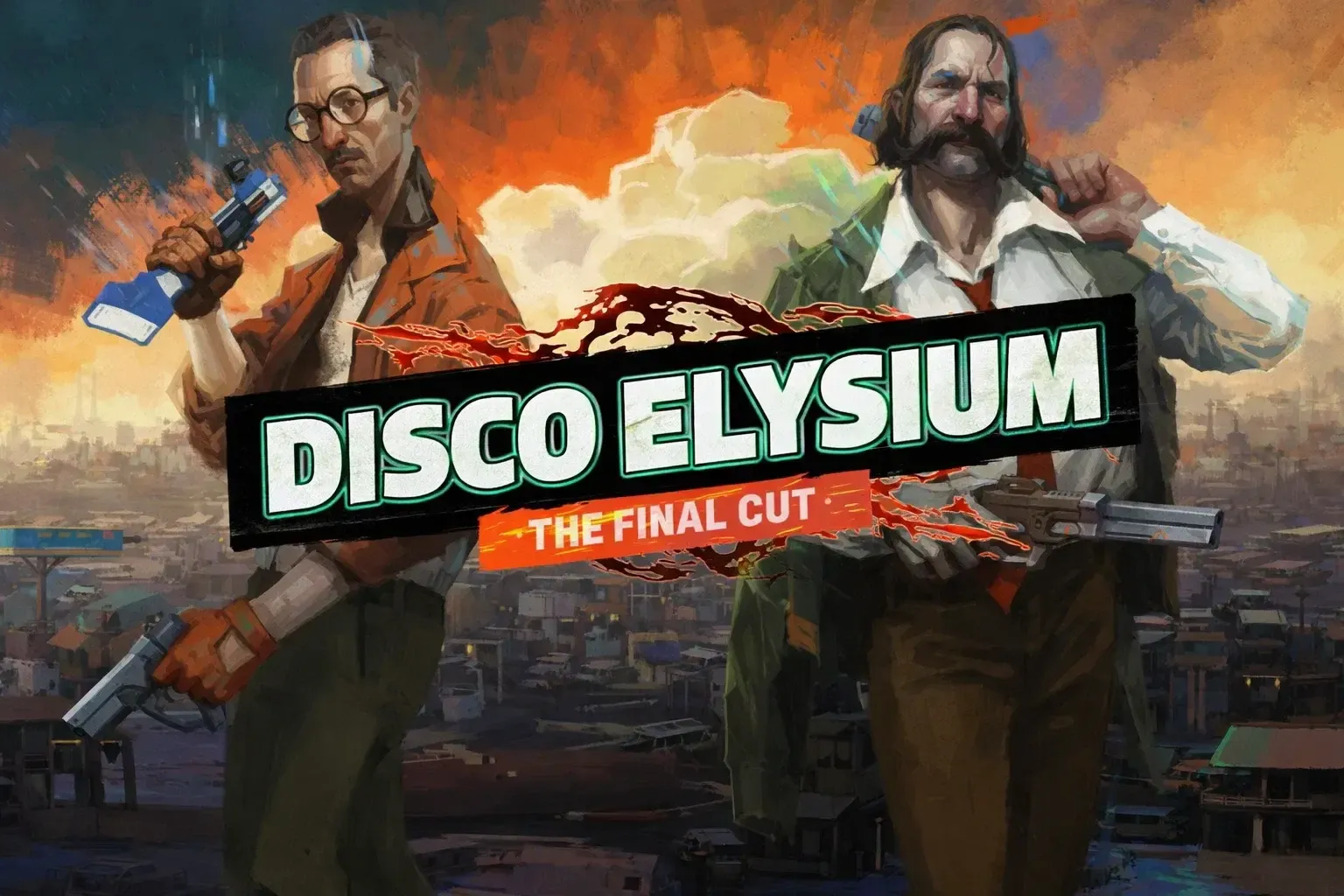
Disco Elysium is a role-playing game that relies almost entirely on text, intricate dialogue, and the art of character acting. It lacks a traditional combat system, choosing instead to resolve all conflicts through conversations, skill checks, and the protagonist’s mental state. The player controls a detective investigating a murder while simultaneously attempting to reconstruct his own shattered identity.
The game offers significant liberty in defining the protagonist: he can be a dedicated professional, a broken individual, a cynic, or something in between. These internal choices directly dictate how the investigation and the broader narrative unfold.
Divinity Original Sin
Platforms: Windows, PlayStation 4/5, Xbox One/Series X|S, Nintendo Switch
Released: 2014
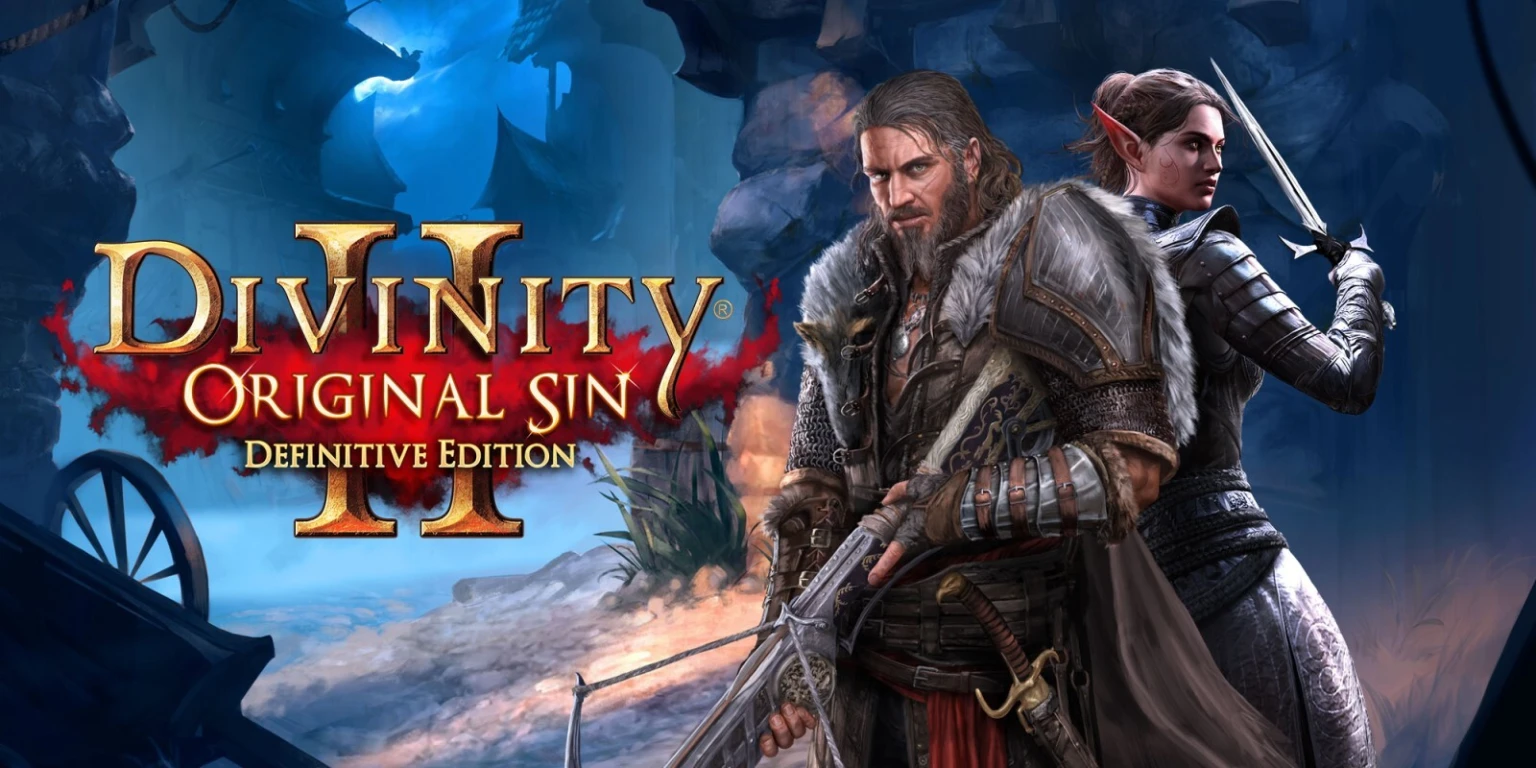
Divinity: Original Sin marked a significant pivot for the series. Moving away from the action-oriented style of earlier entries, Larian Studios embraced the classic cRPG format featuring a party system and turn-based combat. A standout feature is the complex elemental interaction in battle, where fire, water, poison, electricity, and ice can be combined to trigger massive chain reactions.
Current players can choose between the Enhanced Edition and the original version, with the latter being even less demanding on hardware. It should be noted that the sequel, Divinity: Original Sin 2, is technically more advanced and requires more capable computer components.
Dragon Age Origins and Dragon Age II
Platforms: Windows, PlayStation 3, Xbox 360
Released: 2009, 2011
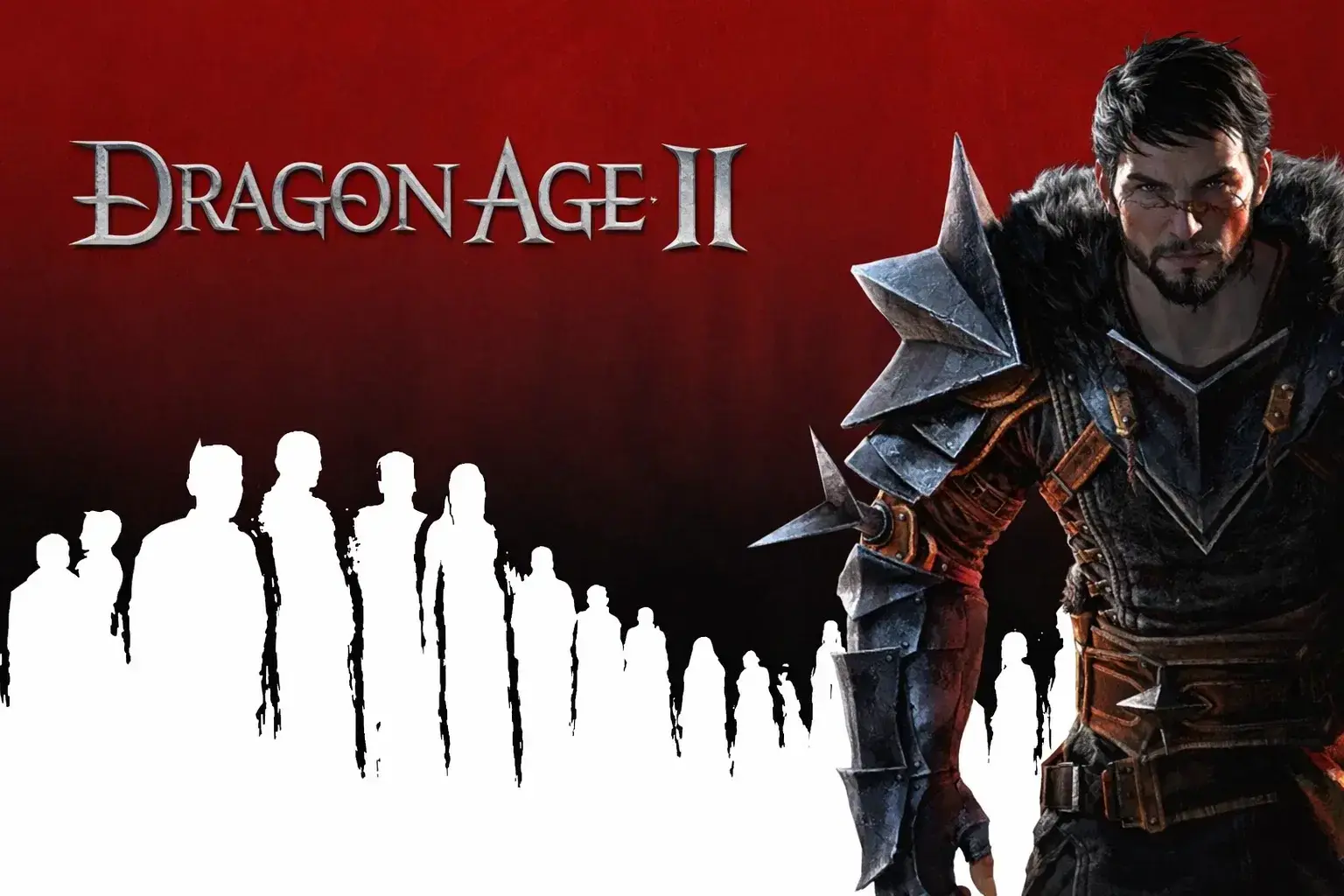
With the Dragon Age series, BioWare returned to the philosophy of their earlier hits like Neverwinter Nights, albeit in a more modern wrapper. Dragon Age: Origins remains the truest to the old-school approach, emphasizing tactical combat and careful party management. Every character in the squad plays a vital role in overcoming the game’s many challenges.
The second game, Dragon Age II, introduces a faster and more cinematic pace while maintaining the core focus on character-driven storytelling and difficult choices. Both titles succeed because of their companions, who often prove to be more memorable than the overarching plot itself.
This series is ideal for players who want a heavy focus on character interaction and dialogue without the steep learning curve often found in more rigid classic cRPGs.
Fallout 3 and Fallout New Vegas
Platforms: Windows, PlayStation 3, Xbox 360
Released: 2008
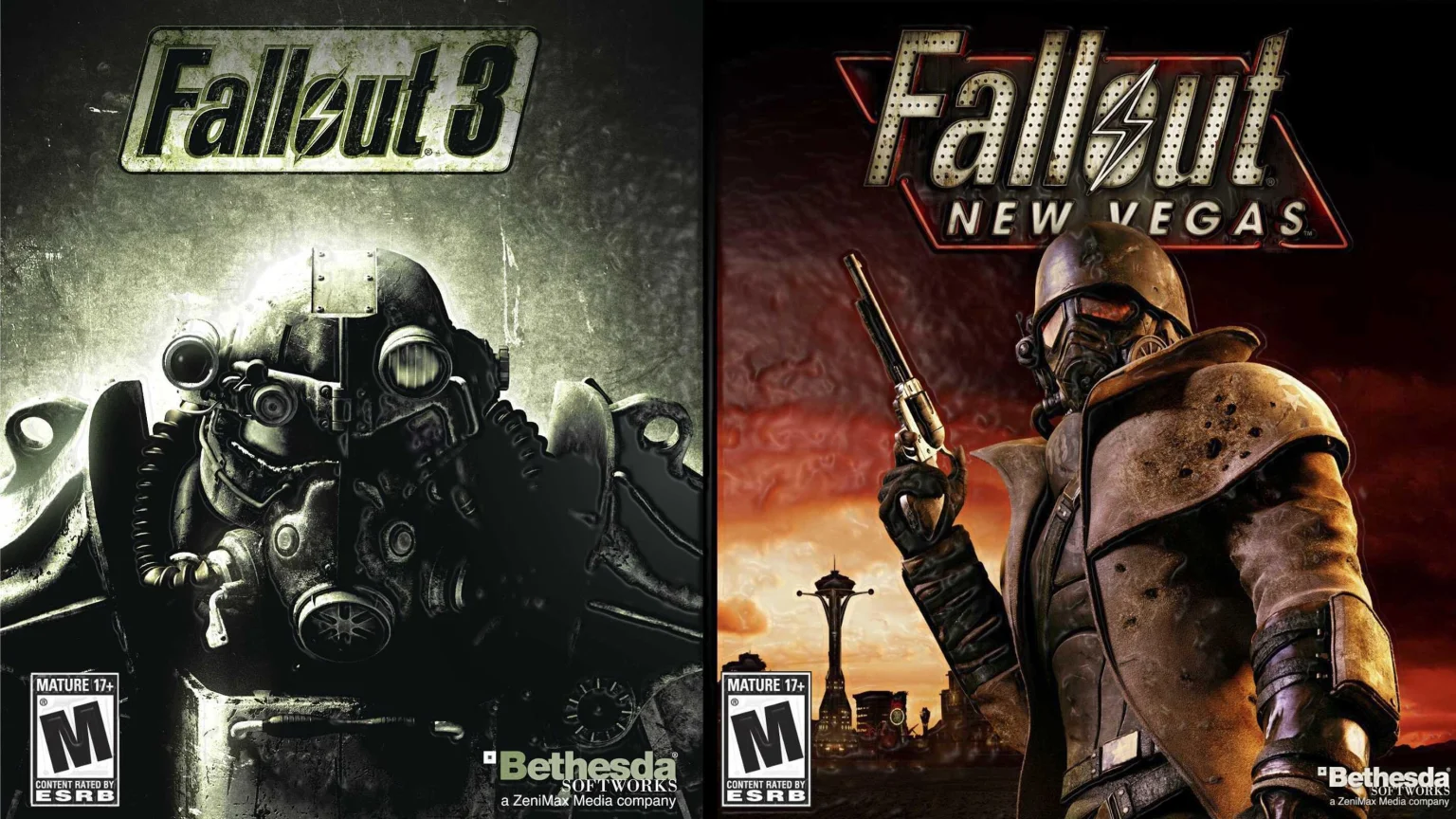
While Fallout 3 and Fallout: New Vegas share a technical foundation and combat mechanics, they offer distinct experiences. The third installment prioritizes exploration, tasking players with navigating the ruins of Washington and abandoned subways to find environmental stories. It is a game defined by its thick atmosphere and the feeling of a desolate post-apocalypse.
Fallout: New Vegas shifts the focus back toward classic role-playing roots by emphasizing factions, complex dialogues, and player agency. Your decisions carry weight, influencing the world’s power balance and determining which groups you will support or betray as you approach the finale.
If you wish to explore the origins of this universe, the first two Fallout games are also available, offering a completely different isometric and tactical perspective on the wasteland.
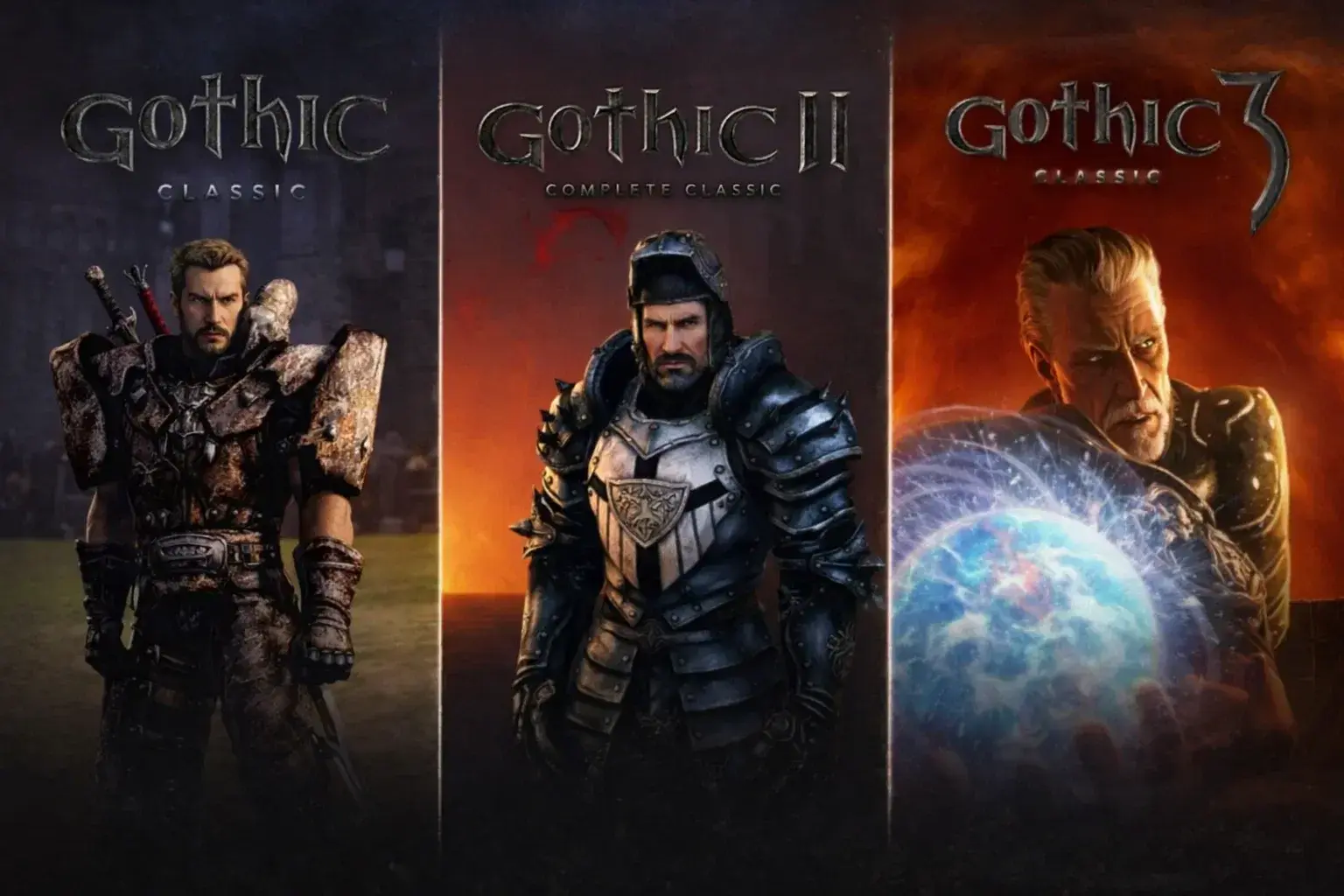
Gothic Trilogy
Platforms: Windows, PlayStation 4/5, Xbox One/Series X|S
Released: 2001, 2001, 2006
The Gothic series earned its cult status by presenting a harsh world where freedom is something the player must earn. Back in 2001, Piranha Bytes designed a world that operated by its own rules, where character progression felt like a genuine struggle. This uncompromising design is exactly what secured the series’ reputation as a classic.
Factions and NPC behavior are central to the first two games, where interacting with various groups opens up new opportunities and questlines. Gothic 3 expanded this formula into a much larger open world, offering players more freedom to travel between different regions at their own pace.
Interest in the franchise has surged recently due to an upcoming remake of the first game. For those who want to understand why Gothic is still discussed so passionately, the original titles remain the most authentic way to experience it.
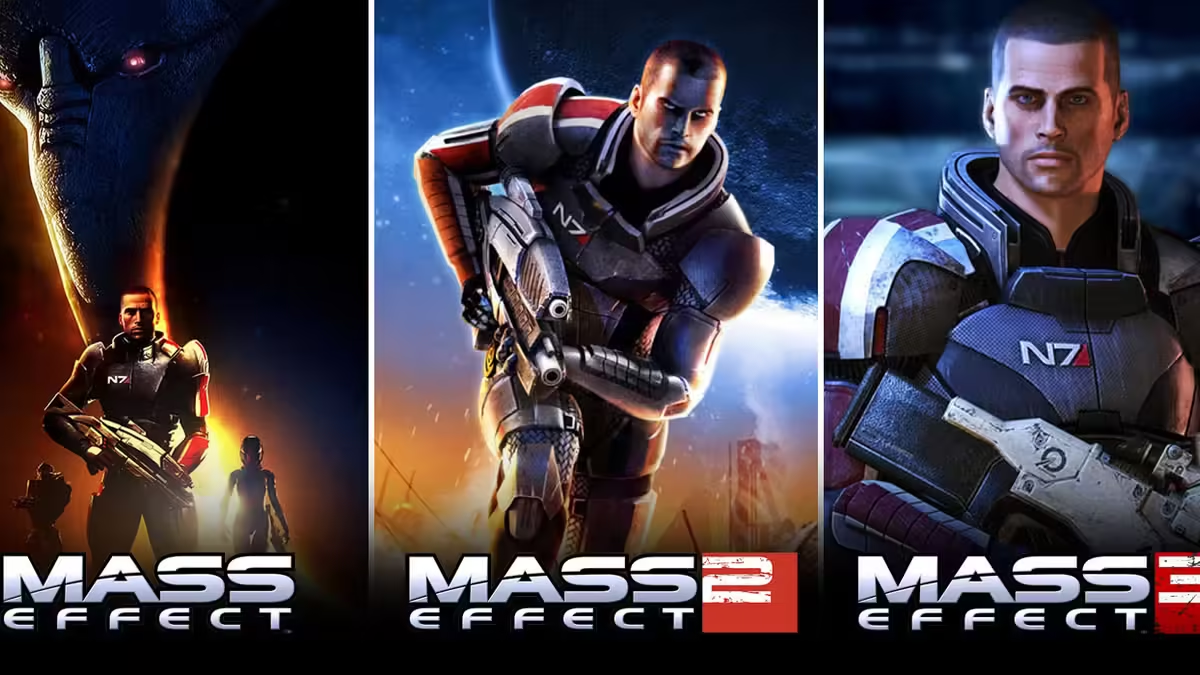
Mass Effect Trilogy
Platforms: Windows, PlayStation 3, Xbox 360
Released: 2007, 2010, 2012
In the renowned space opera Mass Effect, BioWare places players at the center of a galactic threat of apocalyptic proportions. The series seamlessly blends planetary exploration, combat, and deep interpersonal relationships with the crew aboard the starship Normandy. Decisions made in one game carry over to the next, creating a continuous narrative arc.
The first chapter leans heavily into traditional RPG mechanics, featuring slower-paced exploration and extensive world-building. Mass Effect 2 and 3 transition into a more dynamic and cinematic style, but the core remains the same – meaningful choices and strong bonds with squadmates define the experience.
Although the trilogy was updated via the Legendary Edition, the original versions are still sold separately. These older releases have significantly lower system requirements and are the better choice for those using less powerful computers.
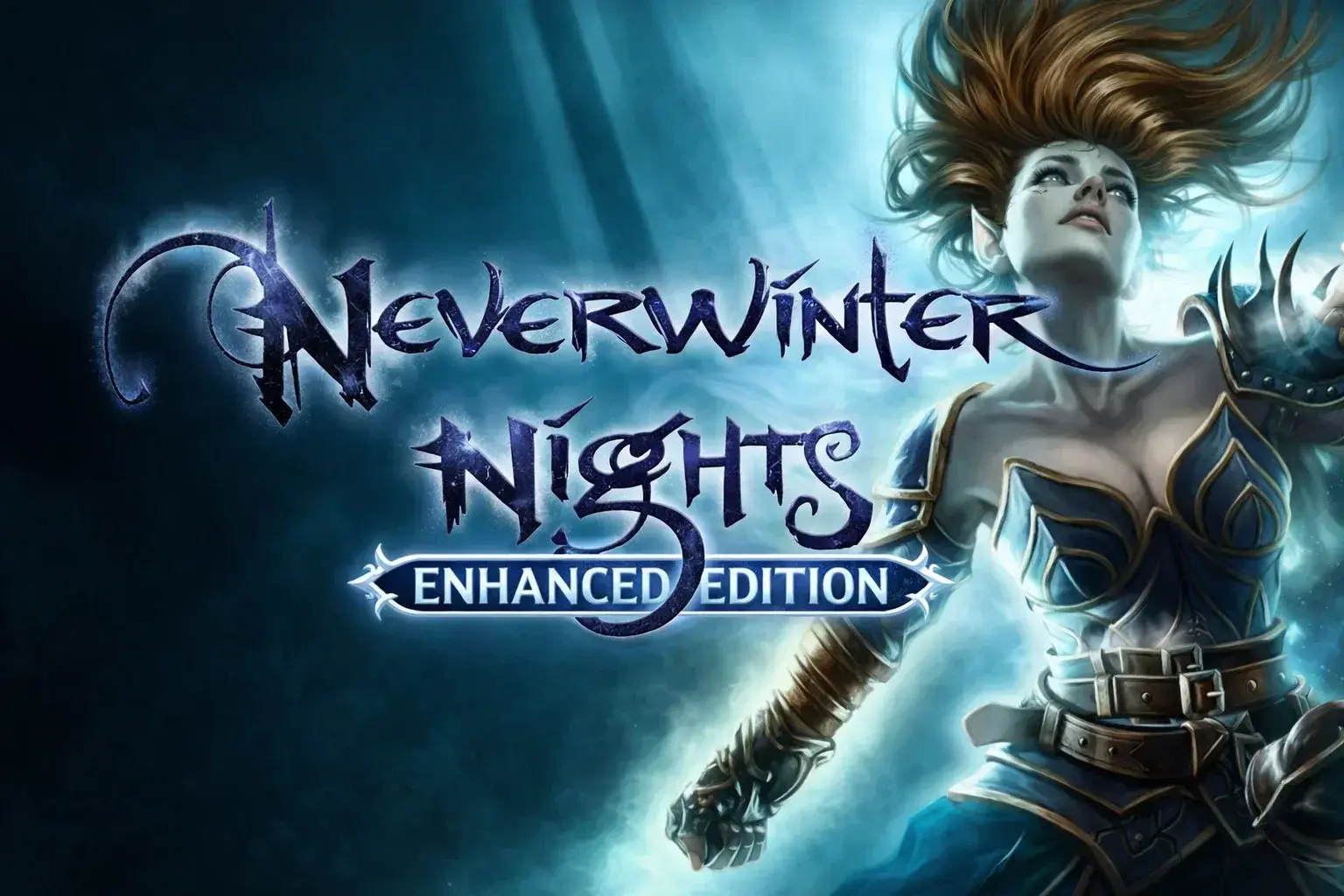
Neverwinter Nights Enhanced Edition
Platforms: Windows, PlayStation 4, Xbox One
Released: 2018
Neverwinter Nights is a storied RPG series set in the Dungeons – & – Dragons universe, developed by two industry giants: BioWare handled the first, while Obsidian Entertainment took over the second. While they share a common ruleset, each game carries the distinct creative signature of its respective developer.
The Enhanced Edition of the first game allows modern players to return to the series without technical hurdles. In contrast, the second game’s sequel had a more troubled release and generally requires more powerful hardware to run smoothly.
The journey in Neverwinter Nights: Enhanced Edition begins in the titular city before expanding into a grand adventure involving ancient magic and global conspiracies. It meticulously follows D – & – D rules, focusing on character creation and growth, capturing the spirit of a tabletop session with friends.
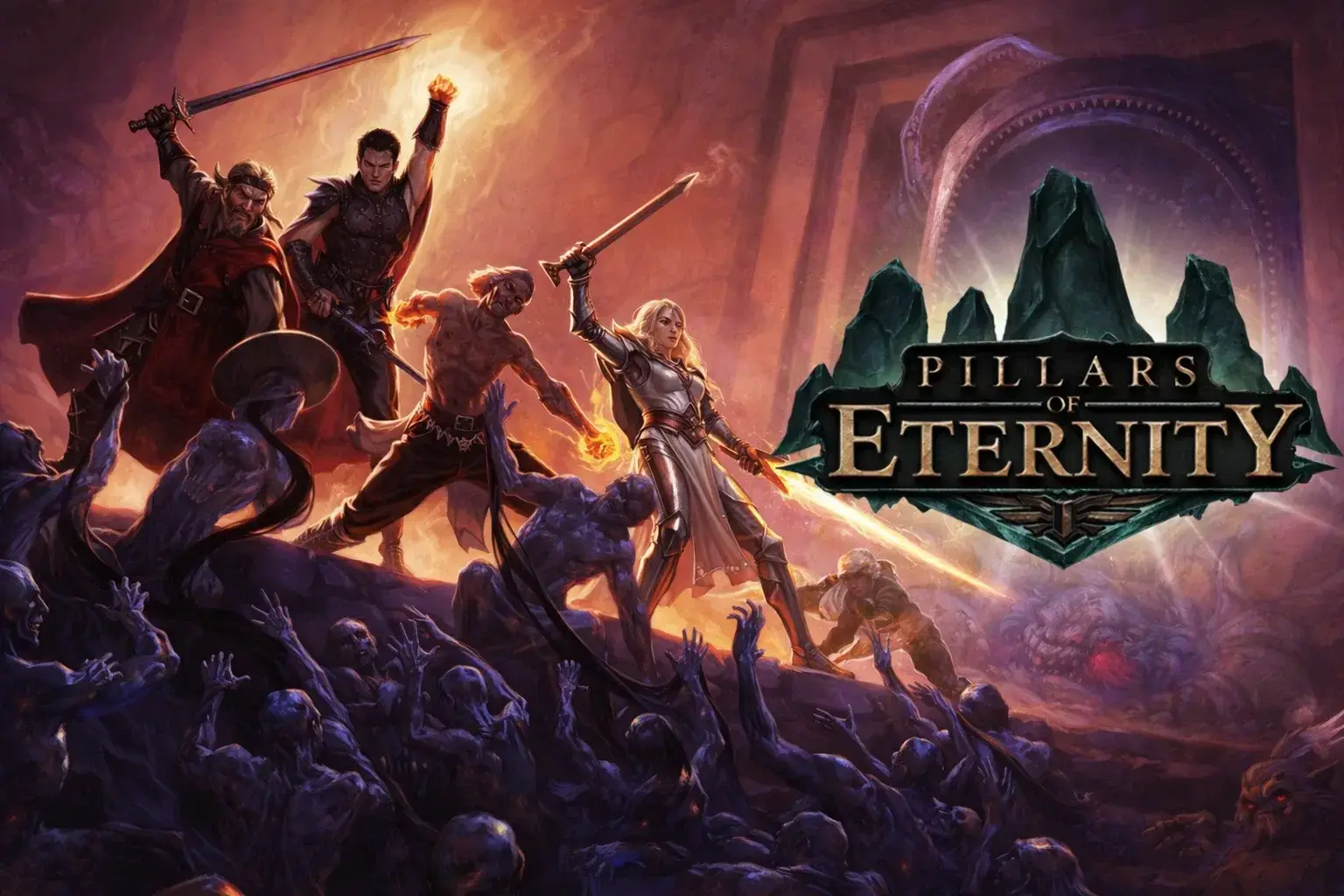
Pillars of Eternity
Platforms: Windows, PlayStation 4, Xbox One
Released: 2015
Obsidians’s Pillars of Eternity introduced a completely original fantasy world called Eora. It is a party-based RPG that pays homage to the Baldur’s Gate legacy, featuring tactical pause-based combat, extensive dialogue trees, and a heavy focus on lore. Recently, the game was updated to include an optional turn-based mode for those who prefer a different tactical rhythm.
The story centers on the nature of souls, religion, and the political history of various nations. It begins with the protagonist gaining the supernatural ability to see souls and past memories, eventually drawing them into a conflict that threatens the fundamental order of the world.
Fans of this setting should note that Avowed, a new role-playing game set in the same universe but using a different format, was released in early 2025.
Risen Trilogy
Platforms: Windows, PlayStation 4, Xbox 360/One, Nintendo Switch
Released: 2009, 2012, 2014
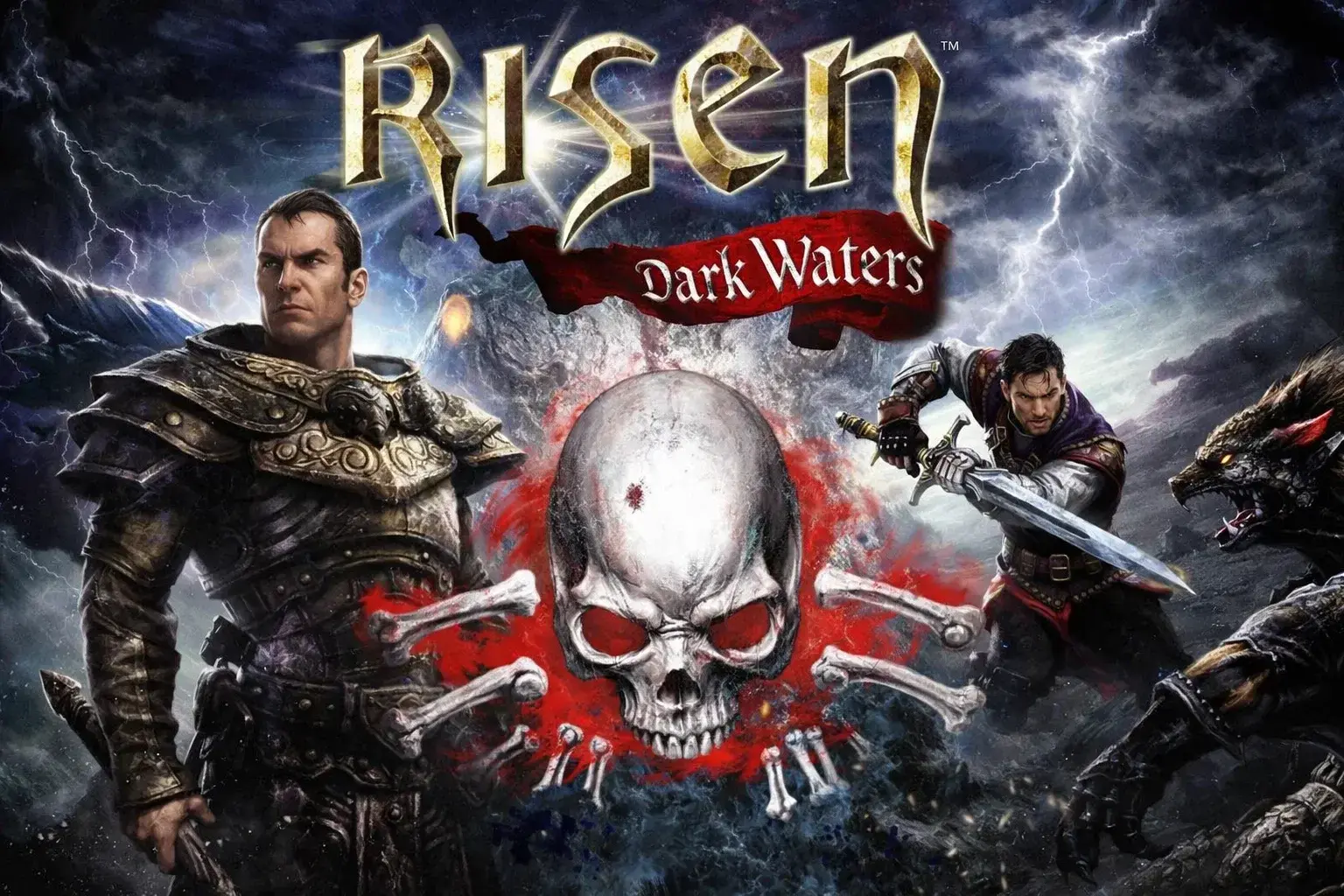
The Risen series comes from Piranha Bytes, the same creative team behind the original Gothic. The first game begins with a shipwreck that leaves the hero stranded on a mysterious island. Progress involves joining local factions, exploring ancient ruins, and uncovering a threat that ties the island to a much older danger.
As the series progresses into its second and third entries, the tone shifts toward high-seas adventure. These sequels adopt a pirate aesthetic and a more exotic, lighter atmosphere, moving away from the grim and punishing tone that defined the studio’s early work.
Star Wars Knights of the Old Republic
Platforms: Windows, PlayStation 4, Xbox 360/One, Nintendo Switch
Released: 2003, 2004
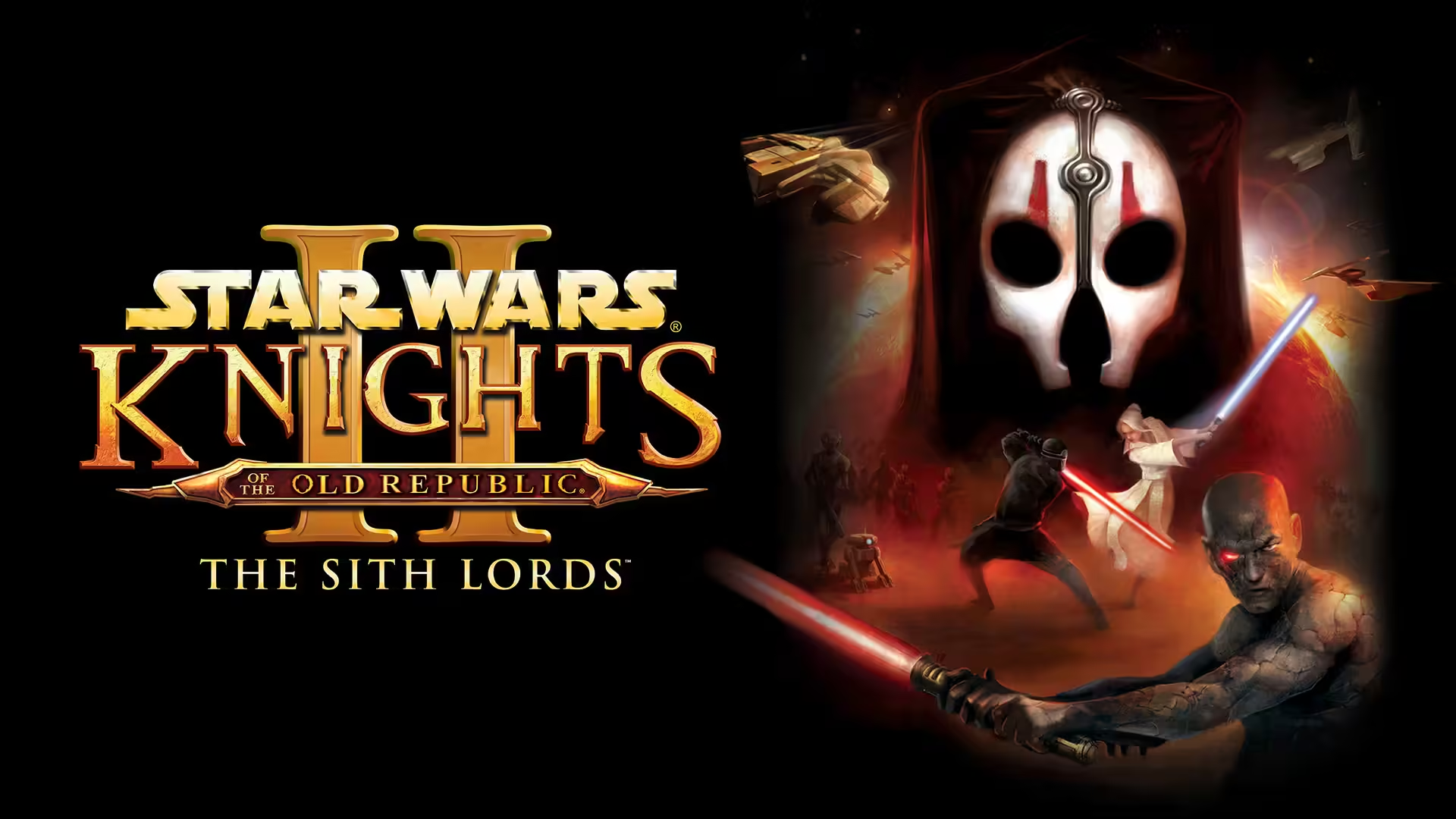
The Knights of the Old Republic games take place thousands of years before the Star Wars films, focusing on the struggle between the Jedi, the Sith, and the Old Republic. The first game, developed by BioWare, follows a classic adventure structure involving interplanetary travel and a team of diverse companions. This title laid much of the groundwork for what would eventually become Mass Effect.
The sequel, Subtitled The Sith Lords and developed by Obsidian, uses the same mechanical framework but adopts a noticeably darker tone. It explores the philosophical consequences of war, the fragility of faith, and the way the Force impacts both individuals and entire civilizations.
The Elder Scrolls IV and V
Platforms: Windows, PlayStation 3/4/5, Xbox 360/One/Series X|S, Nintendo Switch/Switch 2
Released: 2006, 2011
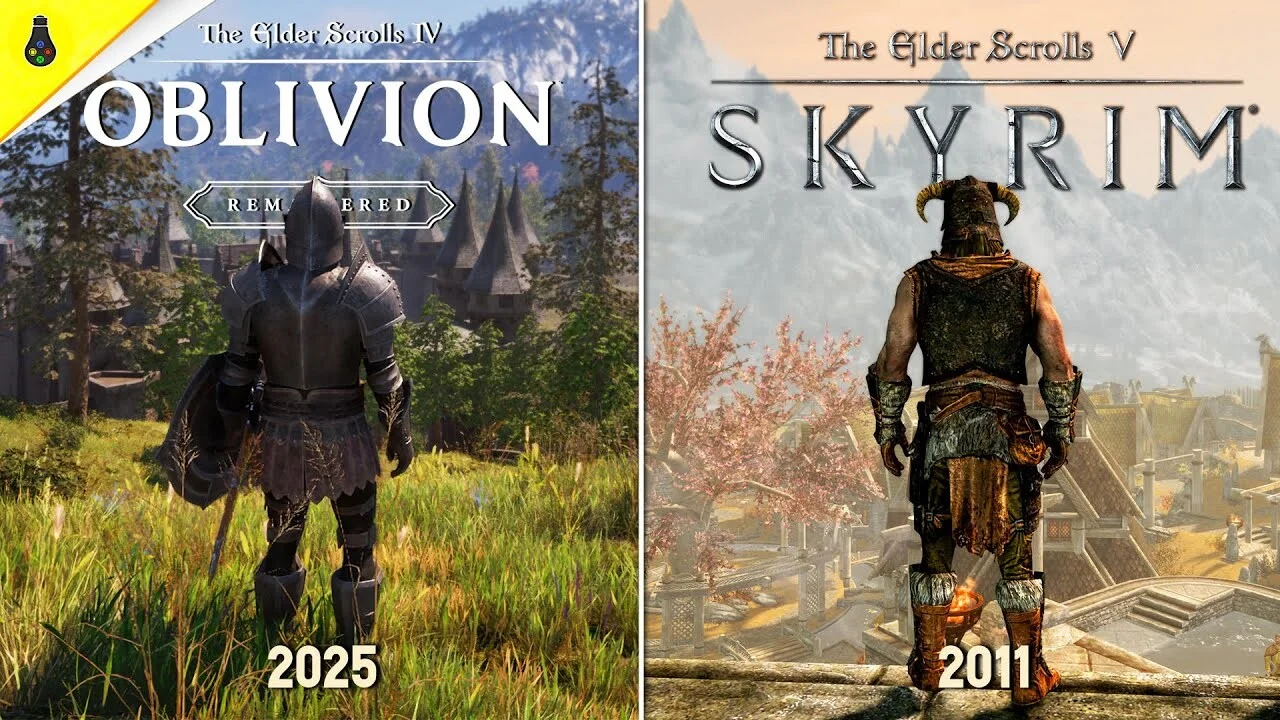
The Elder Scrolls remains one of the most prominent names in fantasy role-playing. Both Oblivion and Skyrim share a similar design philosophy but offer very different atmospheres. Oblivion provides a vibrant, traditional fantasy world with a highly structured guild system that many fans still admire today.
While there is frequent talk of an Oblivion remaster, the original game remains a perfectly viable way to visit Cyrodiil. In this context, Morrowind is also worth mentioning as a fan-favorite, even if its gameplay mechanics feel quite dated to modern audiences.
Skyrim emphasizes the freedom of exploration within a vast open world. For those with weak PCs, the original 2011 version is the best option, as it has lower system requirements than the Special or Anniversary editions and remains accessible via direct links on Steam.
The Witcher Early Games
Platforms: Windows, Xbox 360
Released: 2007, 2011
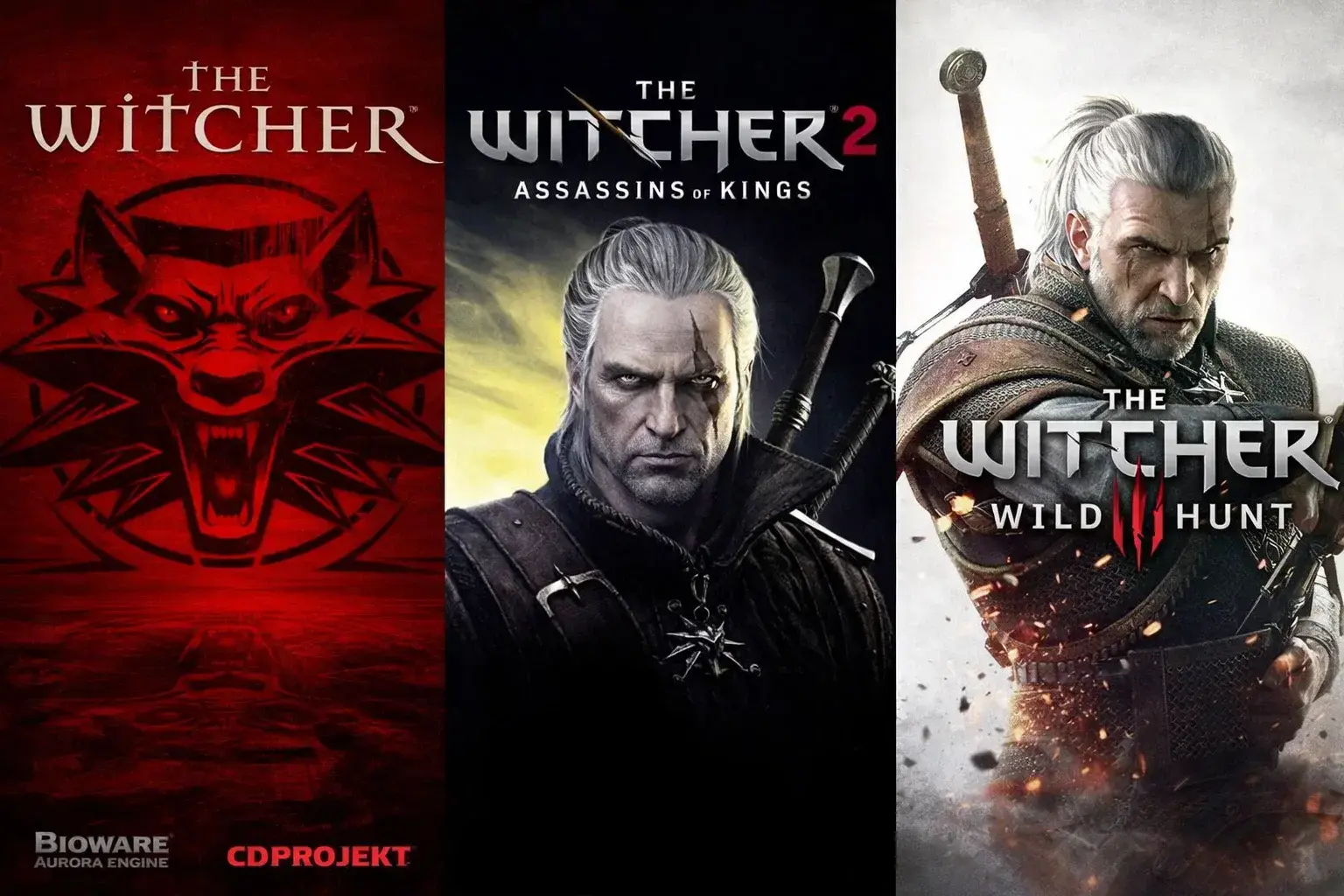
Before it became a global open-world phenomenon, The Witcher started as a series of more contained and structured RPGs. The first game features a world divided into specific locations, placing a heavy emphasis on local folklore and dialogue. While its combat can feel unconventional, it excels at maintaining a dark, atmospheric fantasy setting where every choice is difficult.
The Witcher 2: Assassins of Kings brought a higher production value and a more cinematic approach. It introduced branching narrative paths that significantly alter the course of the story. Despite being demanding at its launch, it now runs quite well on modern systems with lower-tier specifications.
Vampire The Masquerade Bloodlines
Platforms: Windows
Released: 2004
Vampire: The Masquerade – Bloodlines is set in the World of Darkness, taking place in a modern-day Los Angeles governed by secret vampire clans. Players navigate a nocturnal city where the various factions are locked in a silent struggle for power, all while adhering to the rules of the Masquerade.
Choosing a clan at the start is vital, as it dictates your abilities, how characters react to you, and which dialogue options are available. The gameplay is a mix of urban exploration, stealth, and supernatural combat across various settings like nightclubs, offices, and dark alleys.
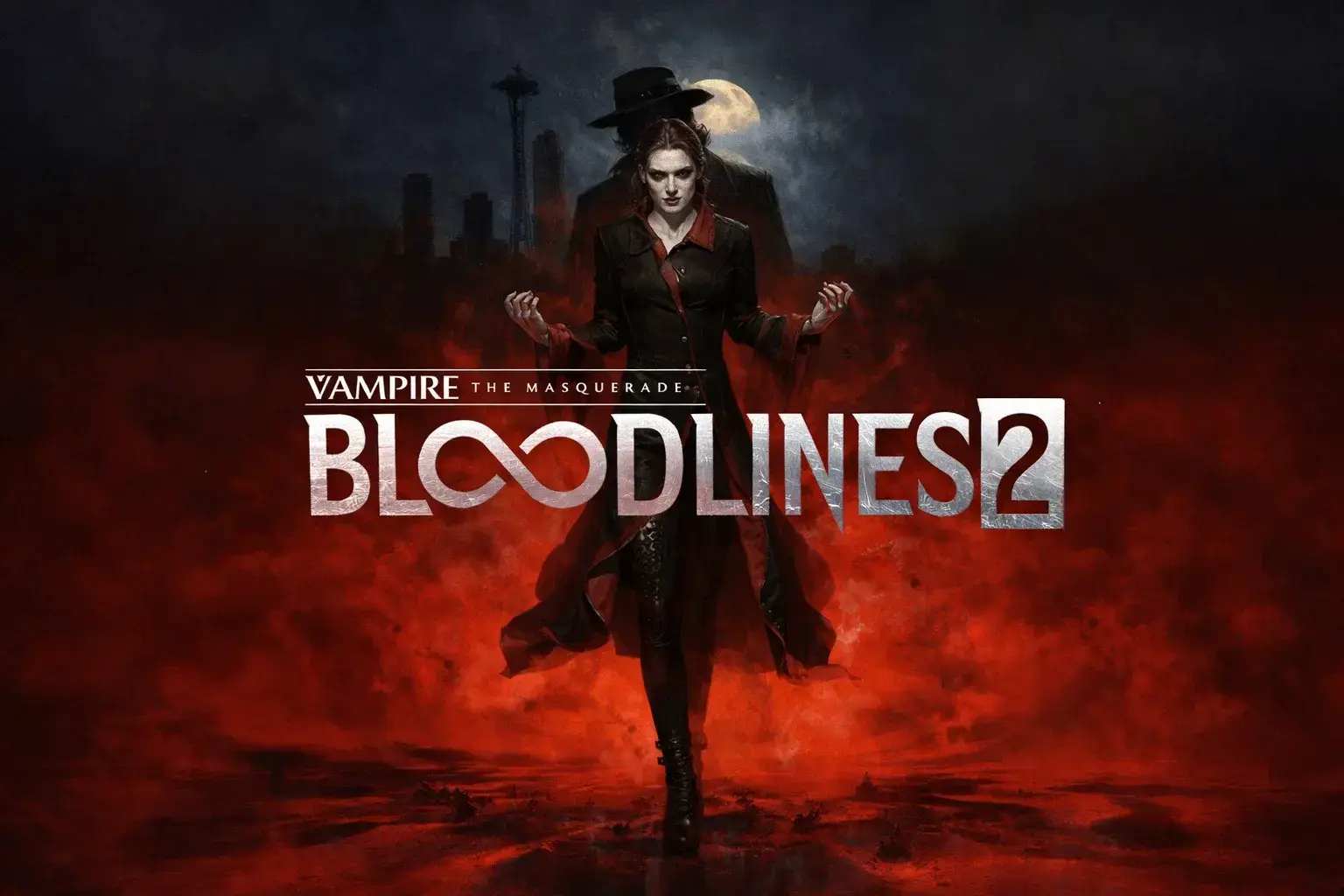
Because the attempts to produce a sequel, Bloodlines 2, resulted in significant development issues, the original game remains the definitive way to experience this specific atmosphere. It has secured its place as a cult classic that continues to draw in new players.
Naturally, the history of gaming contains many more classic RPGs that can be enjoyed on low-spec hardware. We encourage you to share your own recommendations in the comments section below.